As I stepped off the plane at Julius Nyerere International Airport in Dar es Salaam, I immediately felt the amazing warm air on my skin, and this is their winter! This is at the coast, so I imagined the interior would be much milder. However, I embraced the feeling of freedom and openness that it brought and immediately relaxed!
But I was there for work, and that meant inspecting accommodations/lodges around the town of Arusha, Ngorongoro Crater, Tarangire National Park, Lake Manyara and last but not least, the world-famous Serengeti National Park.
Before landing at Arusha Airport, we managed to catch a glimpse of Africa’s highest mountain, Kilimanjaro, and its snowy peak.
The best months to climb Kili (Kilimanjaro) are from January to February and July to October. Keep in mind that during these times there’s rather high traffic on the mountain.
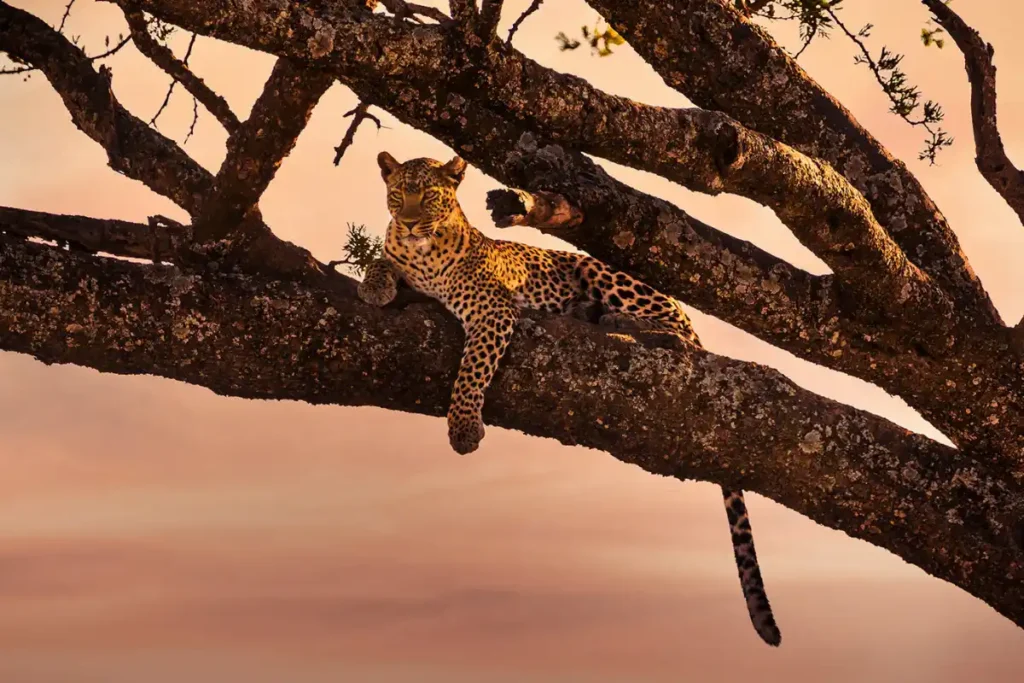
Tanzania is the home of sixteen national parks, and each has its own unique mix of landscapes and animals, like the tree-climbing lions of Lake Manyara National Park. For example, while we were in Tarangire National Park, we came across a leopard in a tree around 150m away from the road. It was picture-perfect, as the dusky hues of the sun were setting in. He was lazily glancing at us with a “do not disturb” look on his face. Priceless moment!
Initially, we were staying outside of Ngorongoro National Park and had the pleasure of visiting many of the lodgings around the Karatu area, set in the coffee plantations. You always have a perception of an area you’re visiting, and I definitely did not expect to see such lush vegetation.
What felt like entering the Jurassic era
Entering Ngorongoro National Park, it felt like we were driving into the Jurassic era; at one stage we were on top of a cloud field.
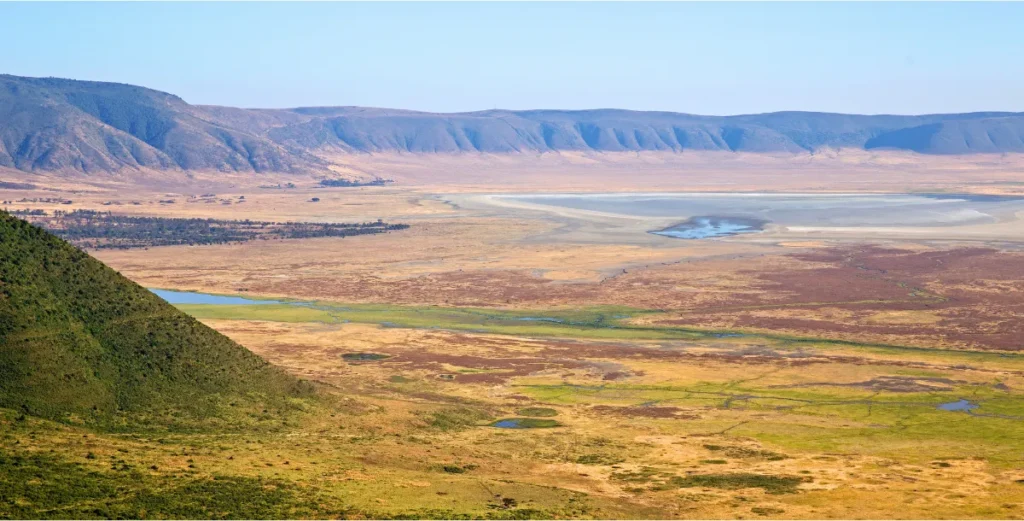
We were driven to a viewpoint to take in the view of the crater, and we were speechless; we were completely in awe of the breathtaking beauty of nature below.
It’s easy to understand why this is widely regarded as the 8th Wonder of the World and a fitting UNESCO World Heritage site.
It’s such a huge concentration of many different wild animals, including lion, leopard, buffalo, rhino, and elephant (known as the Big Five). The surface area inside the crater is 260sq km and is about 900m deep.
An unexpected surprise
We visited various sites, but one of the lodgings we inspected on the crater perimeter definitely gave us an unexpected surprise. This is built in a manner that represents a Maasai village. Green moss is left to grow on the walls and roofs. It makes the buildings look old and ancient. As soon as we were ushered into one of the rooms, we were completely immersed in a culture that many are familiar with. It is also known as the Maasai Versailles.
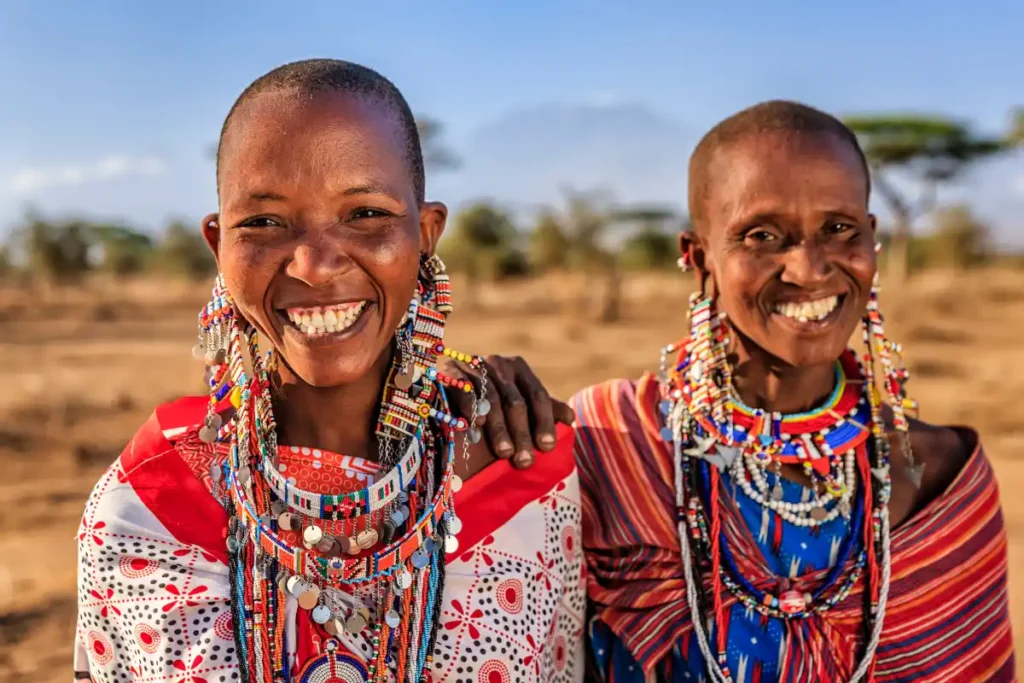
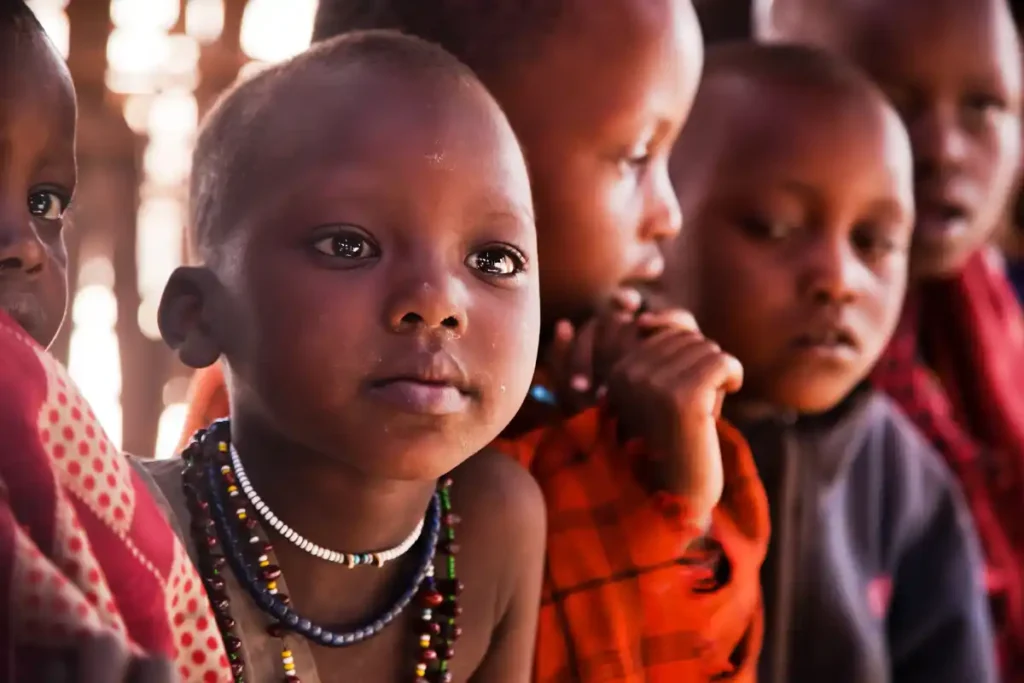
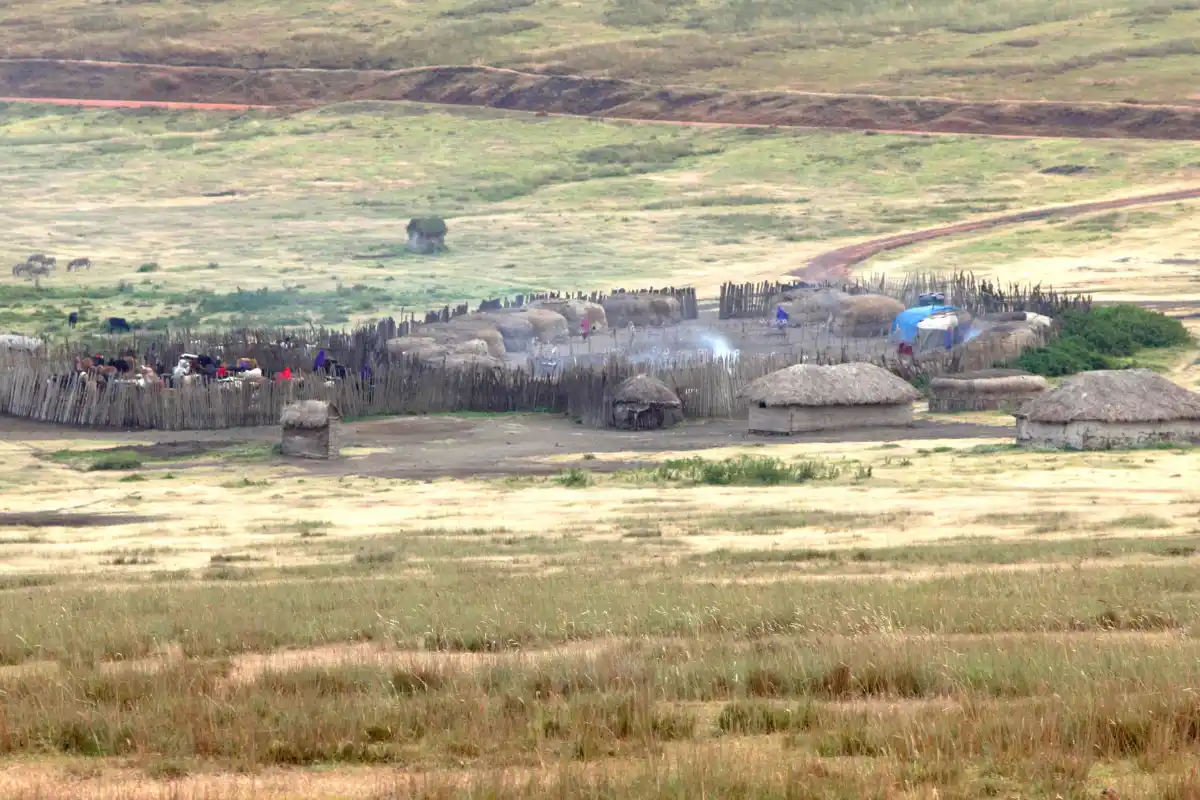
We also visited a traditional Maasai village. Our guide requested the elders permission for us to visit, which they duly granted. The young girls were happy to practice their English and show us in and around their family homestead.
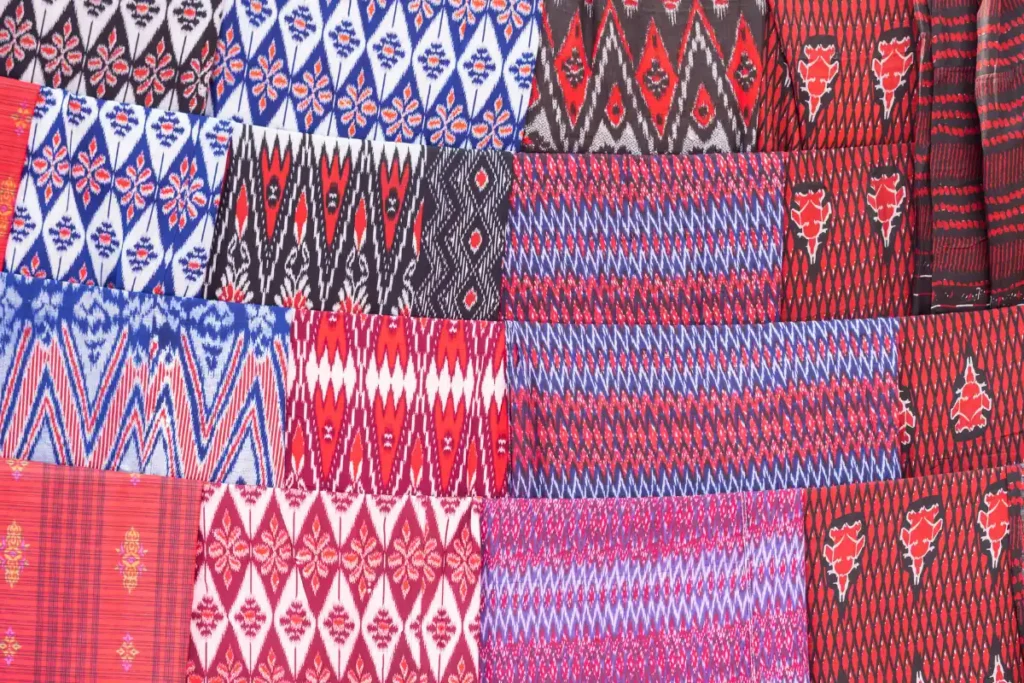
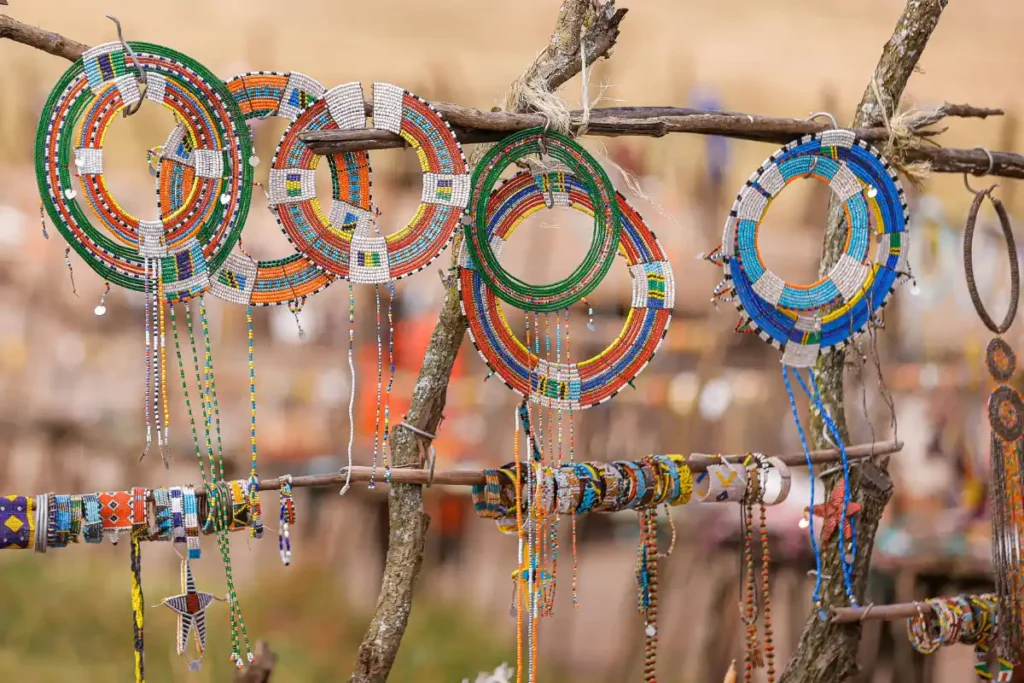
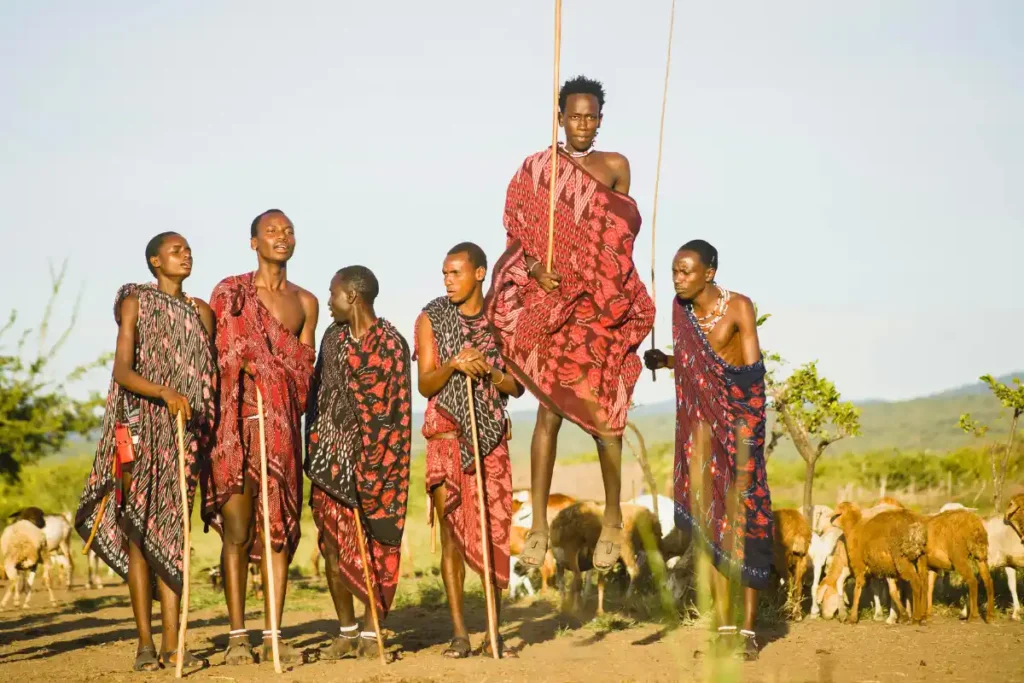
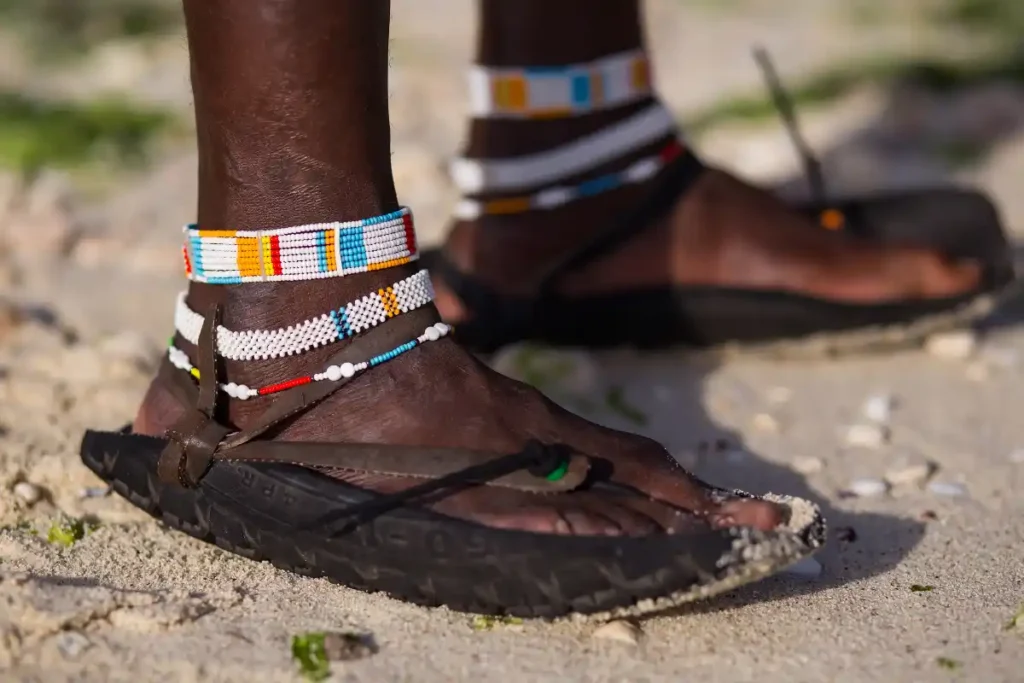
They were proud to show us their ornate homemade jewelry. They wear a special red cloth of bright colors called a shuka.
The Maasai are a pastoral tribe, famous for their authentic culture. They have defied the modern world to retain their traditional way of life.
It is a world so unaffected by Westernization.
Safari through the Southern Serengeti
Within an hour of entering the Southern Serengeti, our guide spotted a cheetah and her three cubs. The cubs were very young and extremely nervous around us. However, true to safari etiquette, we were quiet and respectful of their environment. I was annoyed, as my camera battery had died that day. However, then I remembered how many times I sit behind a camera, clicking away, instead of taking in the pure existence of the creation that is before us.
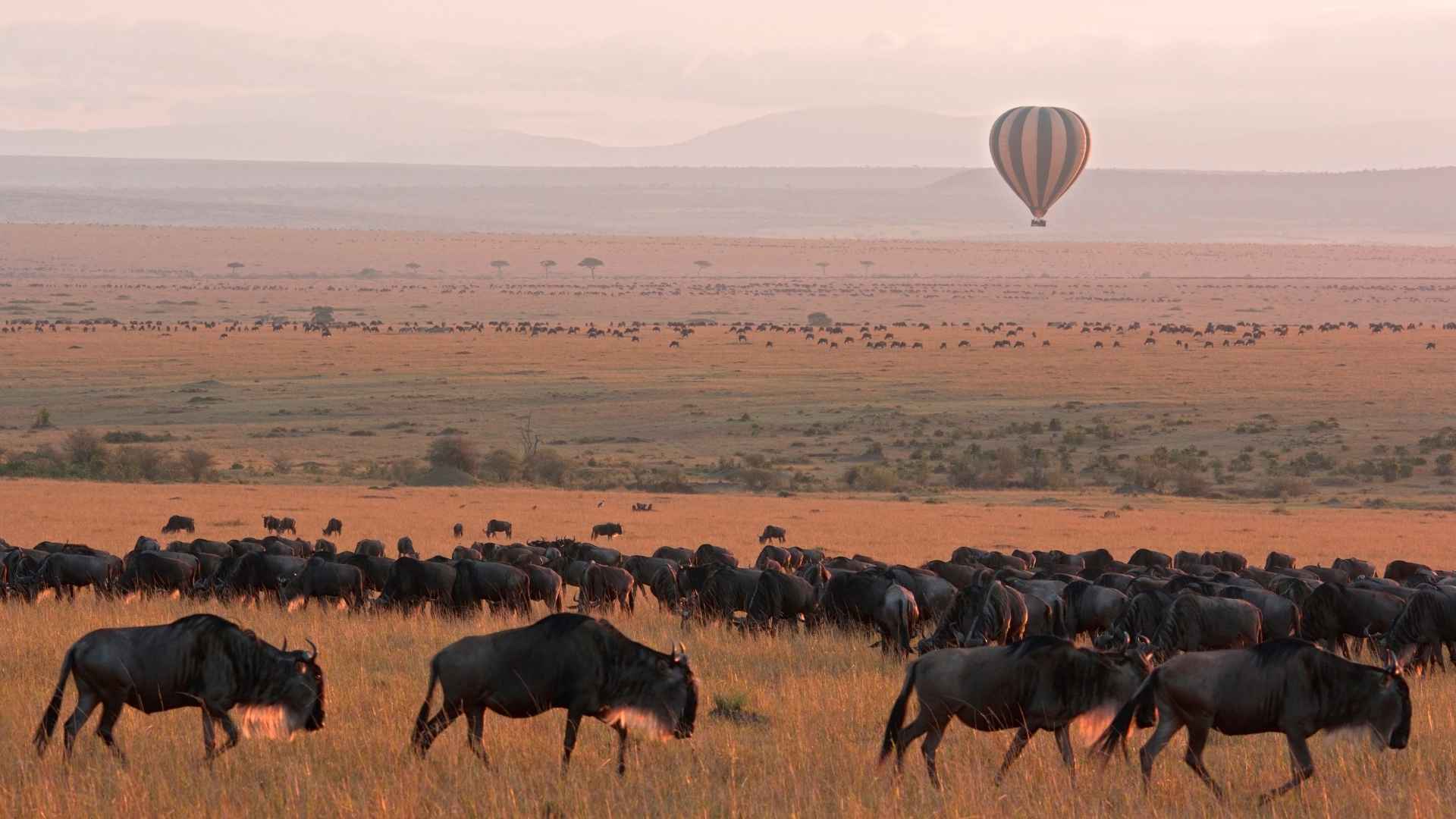
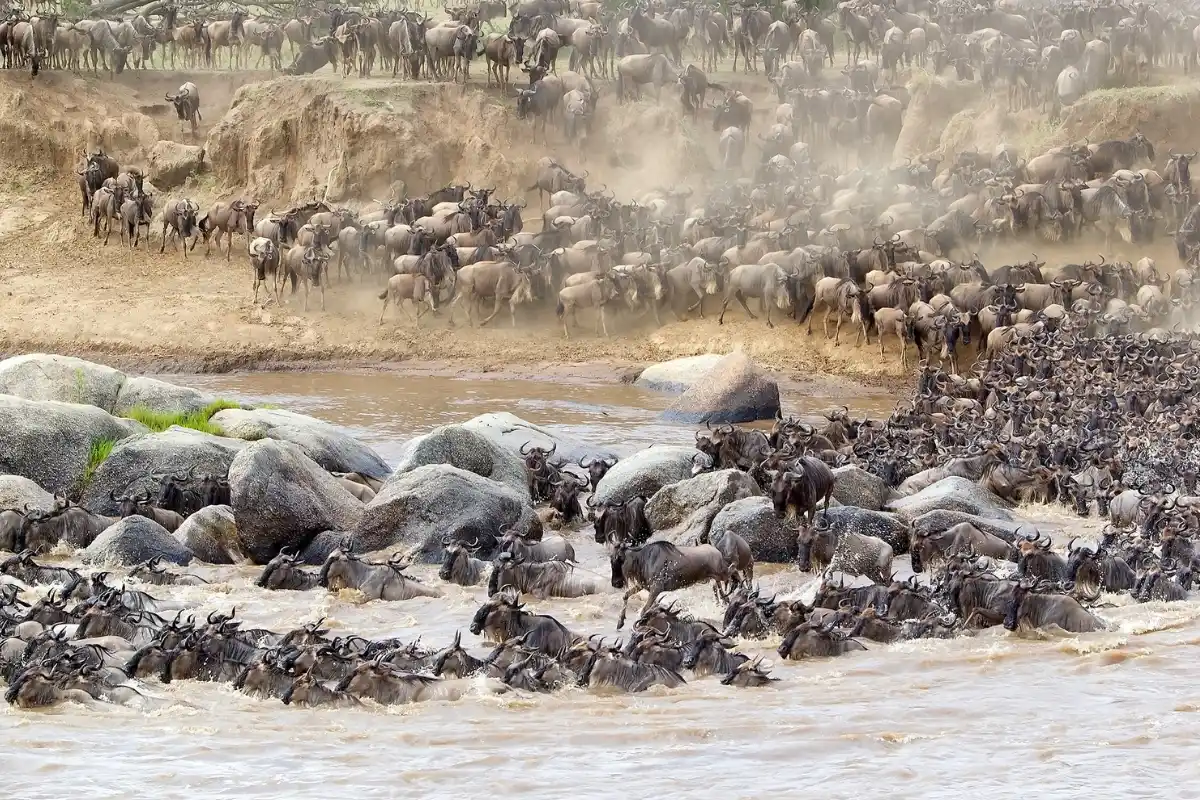
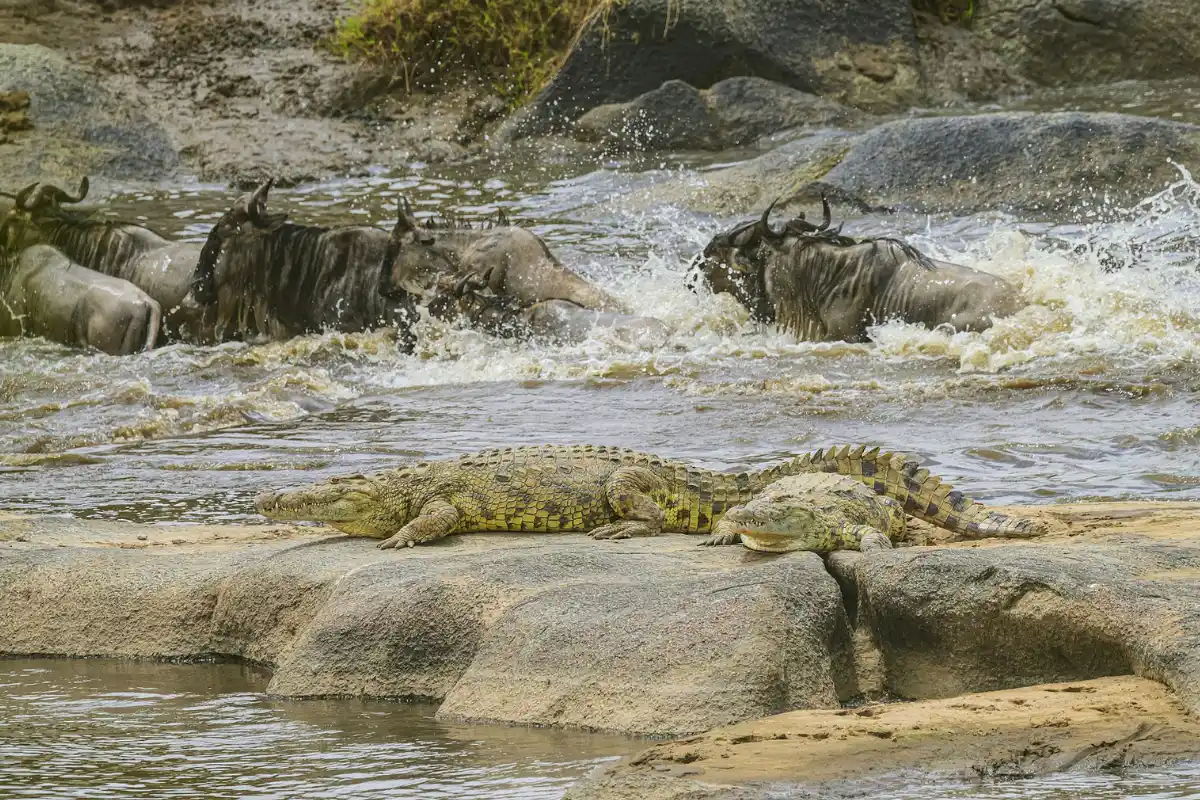
The annual migration of the herds is regarded as the “Greatest Show on Earth.” They move in a clockwise direction through the Serengeti and Mara ecosystems.
They have their calves born in the Southern Serengeti region of Lake Ndutu between January and March. They slowly started getting the newborn calves strong enough to begin the journey up to the Mara by moving to the sweeter grass plains in the Central Serengeti from April to June.
From July to November they start crossing the northern Serengeti into the Maasai Mara (Kenya region). Please note not all the migrations move into the Mara. So, regardless of which side you are on, you would still see the migration.
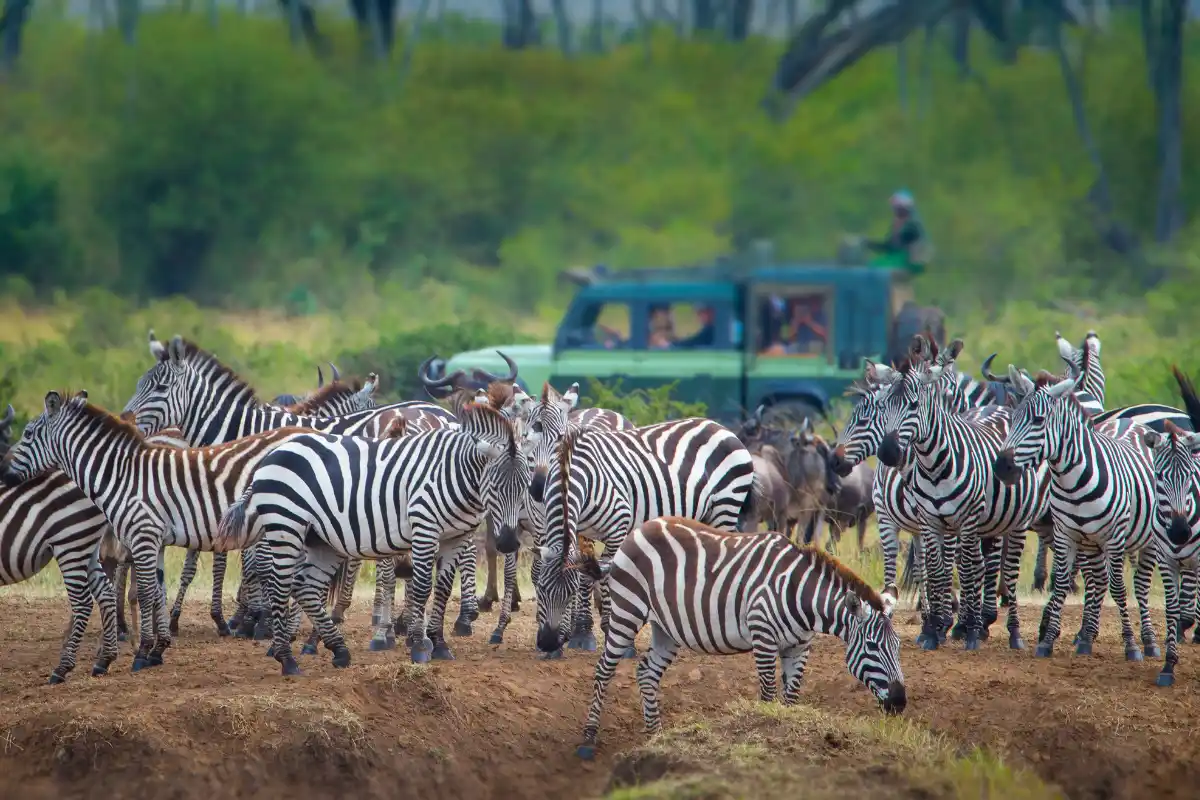
When I visited the central and northern Serengeti in June, there were long lines of zebra heading north. I wondered if they followed the same grass-trodden paths each year.
An unforgettable flying experience
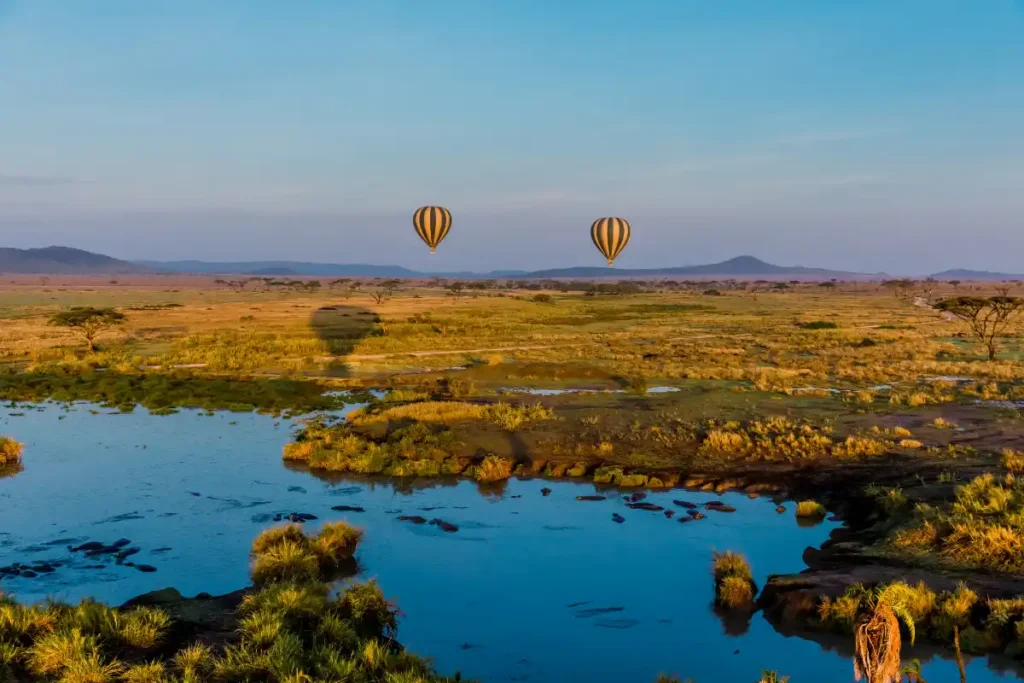
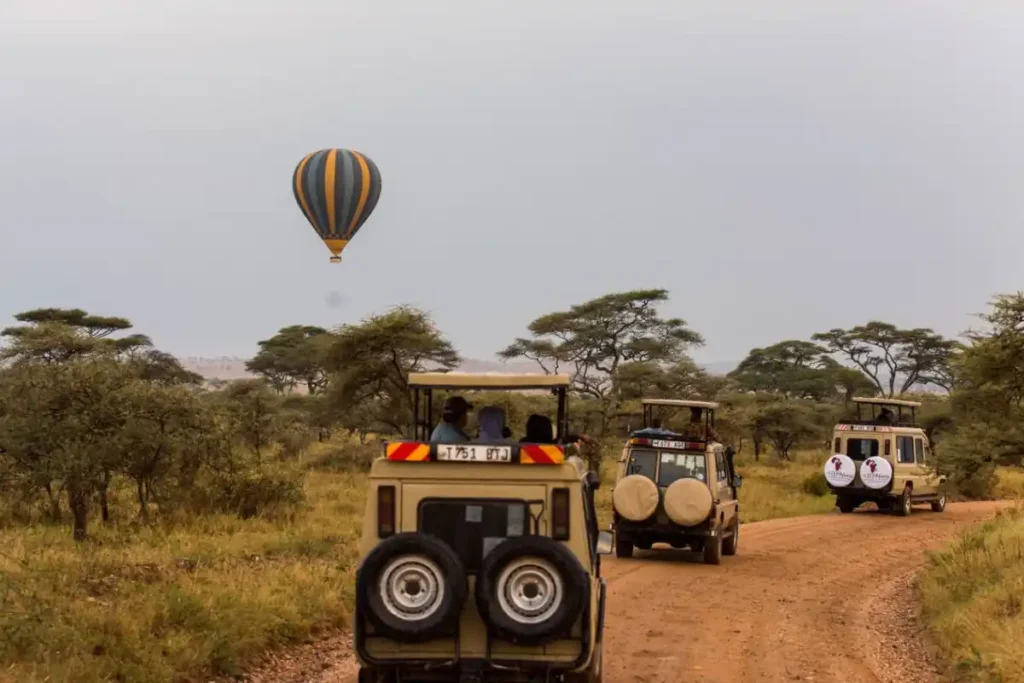
Hot air ballooning over the Serengeti plains was an unimaginable experience.
We would revel in the sounds of silence between human gasps and natural sounds below, and the intermittent bursts of gas from the powerful burners released by the pilot.
My eyes darted all over the horizon, trying to take in as much as my memory capacity allowed. Sometimes we would fly at treetop heights, sometimes lower over the hippo-infested, meandering river. Our pilot gave us a unique perspective. He also gave us great photographic opportunities of the wildlife below.
We were surrounded by a myriad of wildlife. A delightful silver-service champagne breakfast wrapped up the hours-long balloon adventure. Talk about fine dining in the bush!
I would return in a heartbeat
Visiting Tanzania in a business capacity gave me the opportunity to see what is on offer for my clients. The ground handlers and guides are outstanding. The staff and managers at our selected lodges provide an impeccable standard of service. Let’s not even get started on the wildlife and landscape. It brings tears to my eyes. I would return to this beautiful country in a heartbeat.