Traversing the Drakensberg
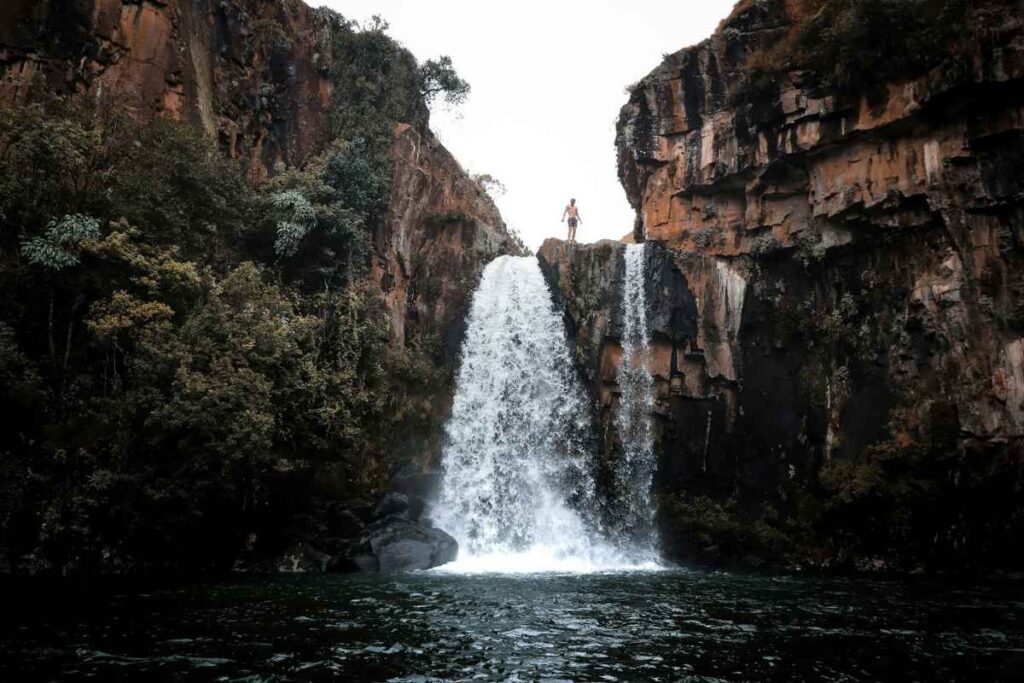
I was introduced the Drakensberg Mountain range when I was 15 years old. Every July school holiday for 3 years running we went to the Cavern Berg Resort where we spent 10 days of riding horse, climbing mountains, following trails to Bushman painting caves and jumping into icy cold Waterfall pools. Never before had I experienced such freedom and beauty. The Amphitheatre still to this day rates one of the best hikes I have ever done. Climbing the Drakensberg Amphitheatre is one of South Africa’s most iconic day-hikes, leading you to the top of the 948-meter Tugela Falls and the Lesotho escarpment.
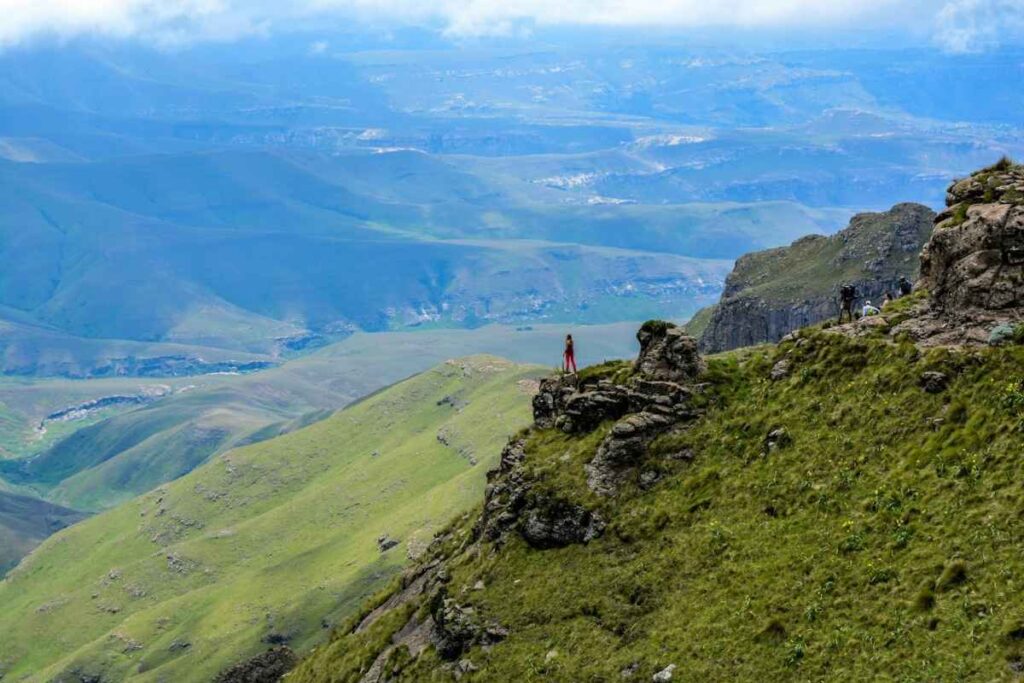
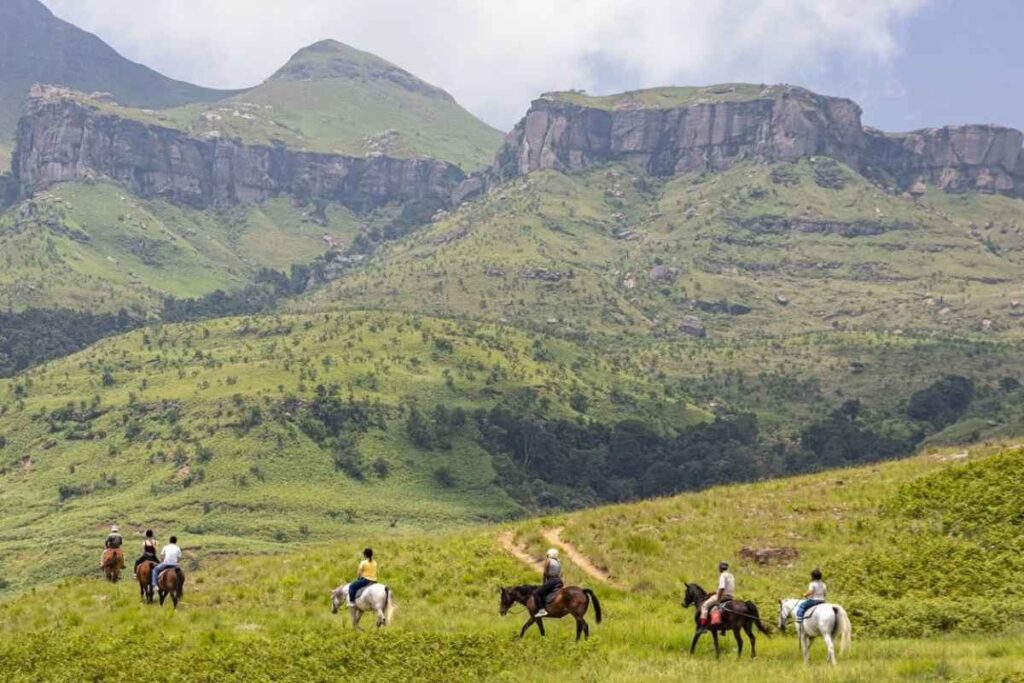
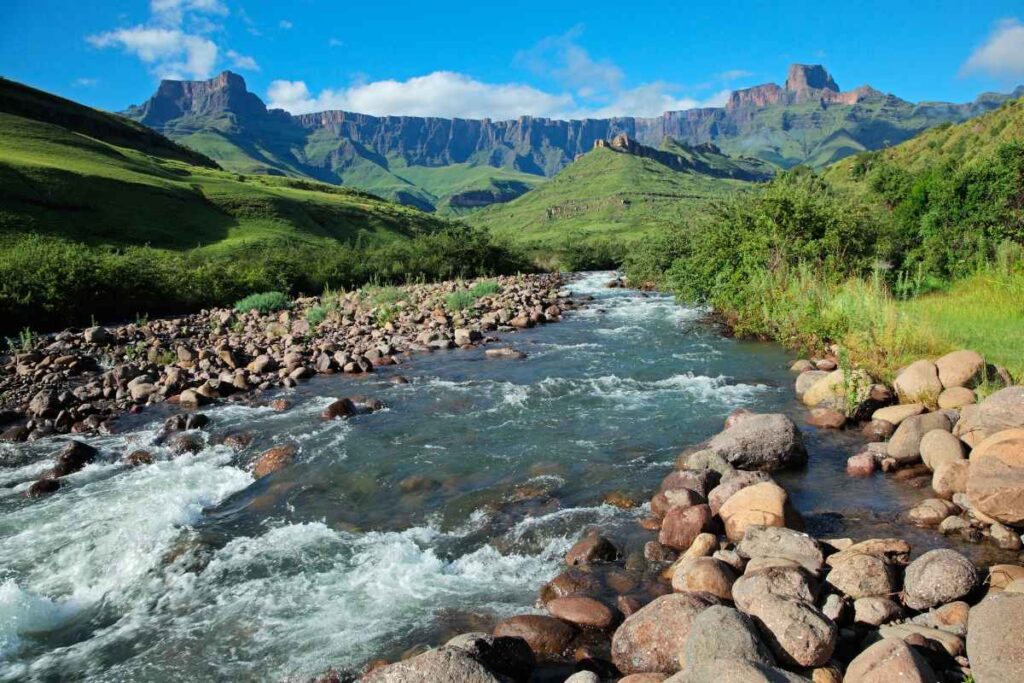
The Drakensberg region contains more than 690 known rock-art sites, with more than 35,000 individual images painted on the sandstone walls of caves and rock shelters. Some of these images tell the stories of a world that was created thousands of years ago, and many of these images can still be viewed today in the mountain shelters of the Drakensberg region.
The Drakensberg Mountains are more than a mountain adventure, it is an insight into the mind of the ancient San people.
A mesmerizing experience
My second trip back to South Africa to conduct site visits, I decided to take my mom along for company. We visited two lodges in the Greater Kruger area, and on our very first early-morning game drive, we experienced something truly unforgettable.
Our guide switched off the vehicle so we could sit quietly and listen to the sounds of the African bush waking up.
Then, without any warning, a massive bull elephant emerged from the bush. Without making a sound, he glided past our vehicle, barely two metres away. He was completely unrushed, calm and passive, seemingly unaware us. We sat there mesmerised by his sheer size and the incredible silence of his passing. I looked across at my mom, her eyes wide with amazement, and I knew we were both experiencing a moment we would never forget. It is difficult to describe the feeling of being so close to such a magnificent animal, witnessing him in his natural environment, completely undisturbed. We felt incredibly privileged to have been part of his early-morning stroll to the waterhole. It was one of those magical African moments that reminds you just how special it is to be out in the wild.
Extraordinary encounters await you
It was a long weekend away in the Greater Kruger National Park, and we had booked a chalet in the Klaserie area. At 42 years of age, I had still never had the privilege of seeing an African Painted Dog in the wild. That was about to change!
We were driving along a dusty gravel road, making our way to our accommodation, when we rounded a corner and were greeted by the most incredible sight, approximately 20 wild dogs running alongside the road. I have a habit of always keeping my window down when visiting the National Parks. I love breathing in the smells of the African bush, taking in every little detail of my surroundings. That day was no exception.
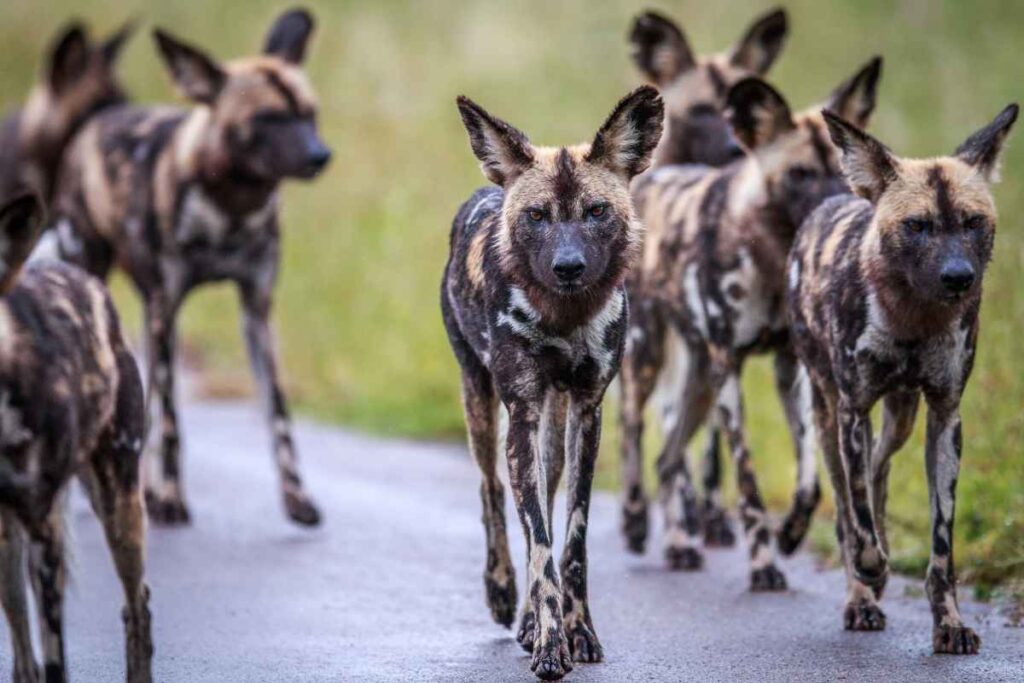
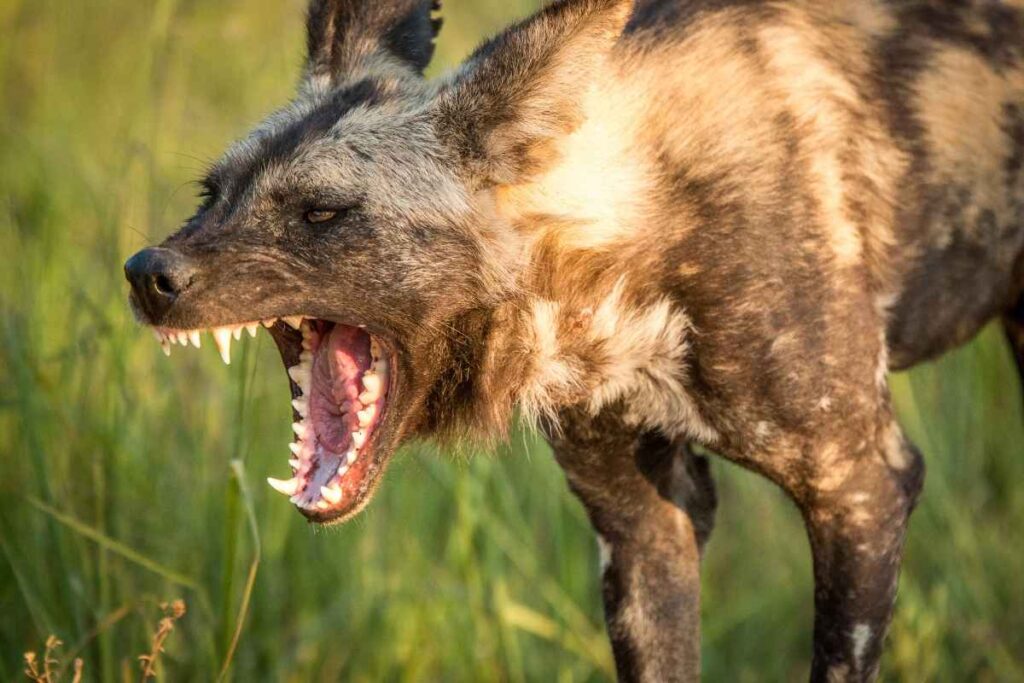
But what made this encounter even more extraordinary were the sounds coming from the wild dogs. Their calls and chatter were unlike anything I had ever heard before.I was absolutely beside myself with excitement! For around 10 minutes, we were fortunate enough to drive alongside this incredible pack, watching them run freely in their natural environment, before they disappeared through an opening in the fence.
It was one of those magical African moments that stays with you forever. After all those years of hoping to see a Painted Dog in the wild, I finally had my moment!
Embarking on incredible journey’s
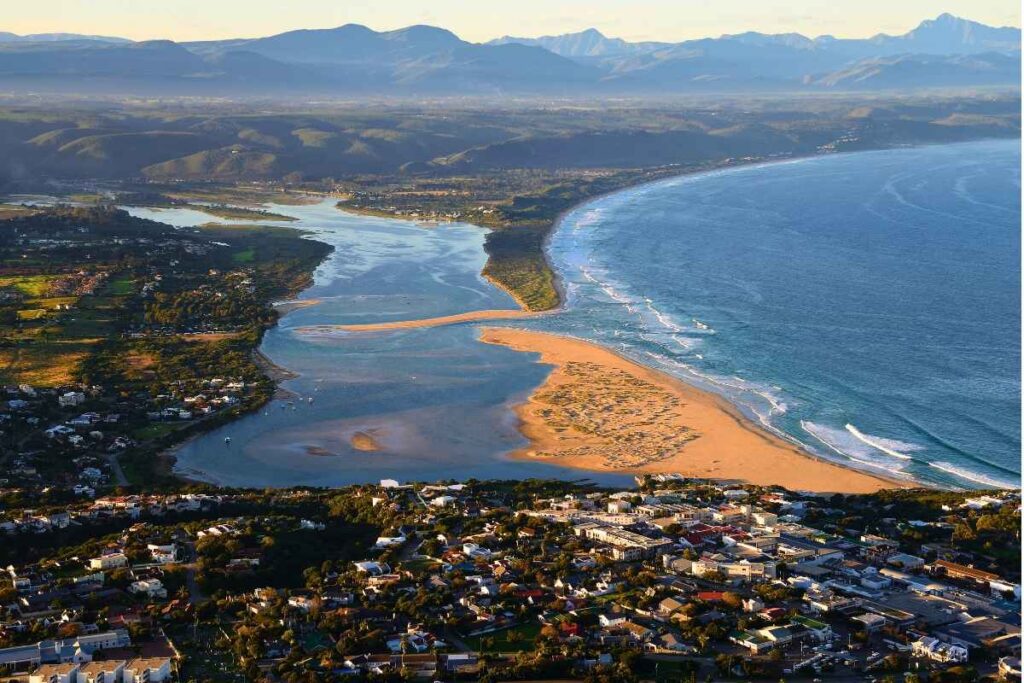
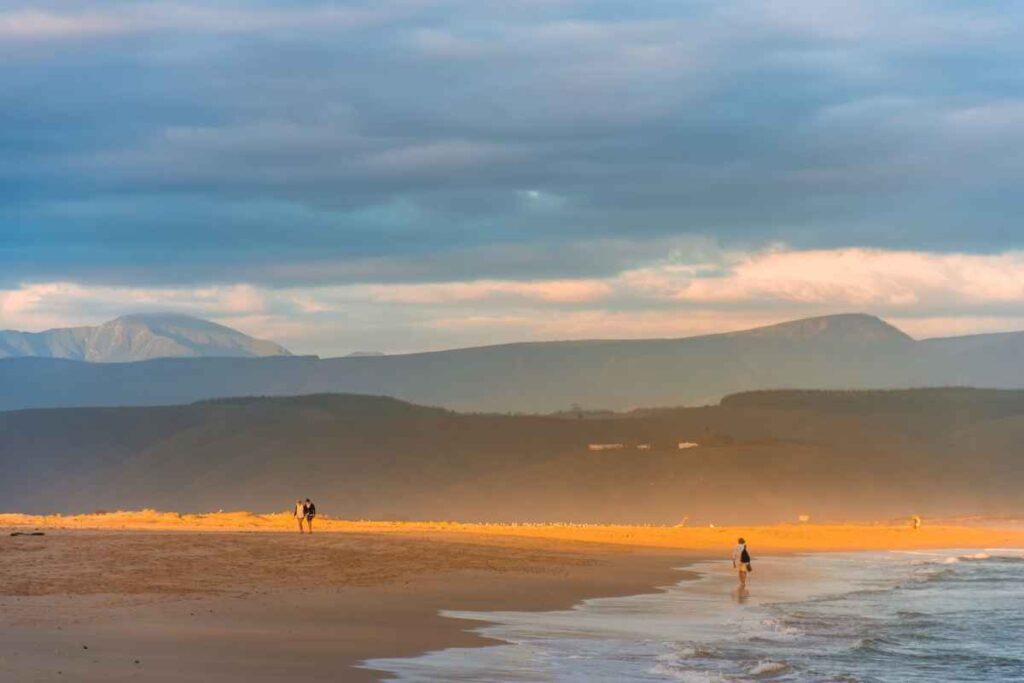
We spent a week holidaying in Plettenberg Bay, taking the opportunity to explore this beautiful part of South Africa, an area that was relatively unknown to us.
On our last day, we chatted to a few locals and asked them to recommend a scenic route back to Johannesburg. Little did we know what an incredible journey we were about to embark on!
Our chosen route took us over the magnificent Prince Alfred Pass, a spectacular mountain road offering dramatic scenery, rugged landscapes, fascinating history and an abundance of natural beauty.
Built in the 1860s by master road engineer Thomas Bain, it is one of South Africa’s oldest and longest mountain passes. As we wound our way through the mountains, taking in the breathtaking views and the sheer beauty of our surroundings, we couldn’t help but appreciate the history and incredible workmanship that went into creating this road. It reminded us just how diverse and beautiful South Africa really is.
Having travelled so much around the world I am still amazed at how contrasting South Africa is. I tell friends and family that South Africa is a World in ONE country.
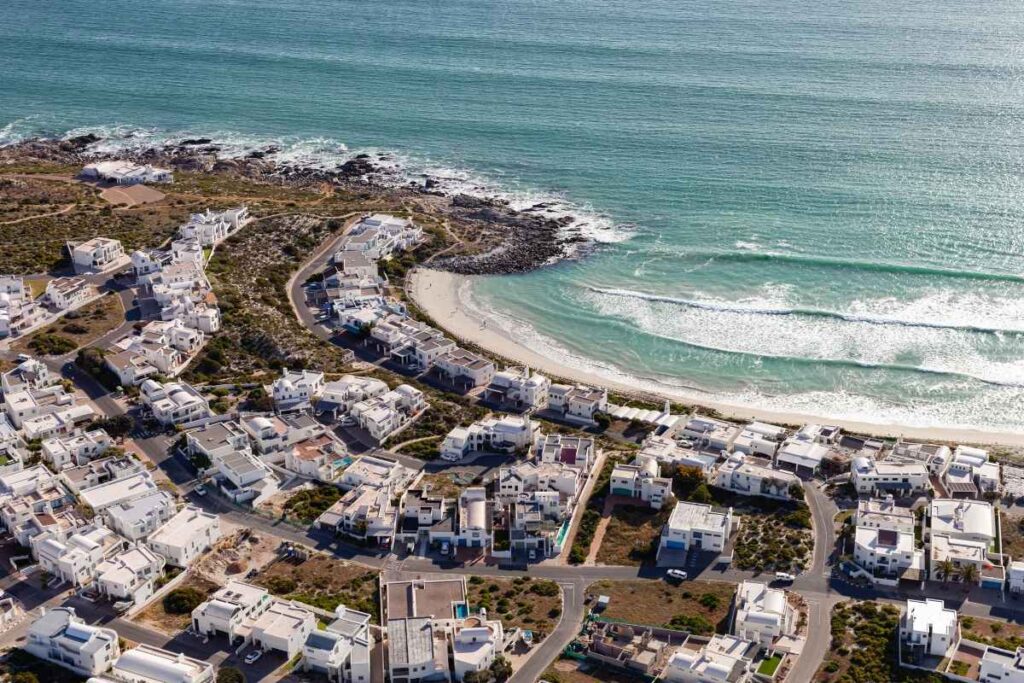
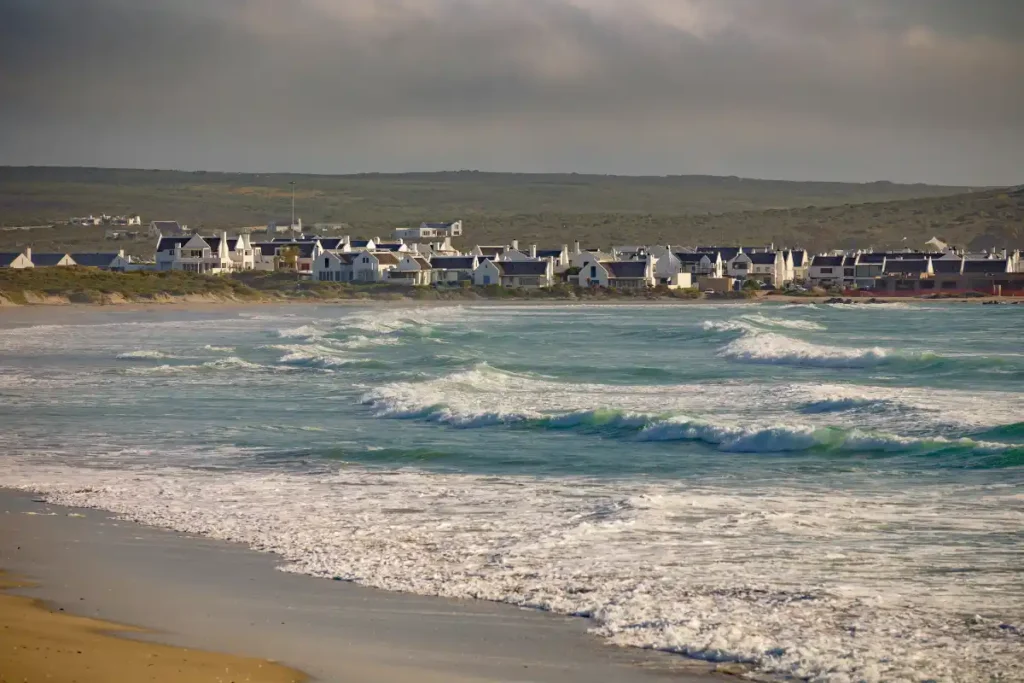
One year, we decided to follow the spectacular wildflower season of the Western Cape, setting off on a journey that introduced us to some of the most charming towns and villages along the way.
We discovered quaint little communities, each with its own character, history and stories to tell. Along the way, we stayed in beautiful historic guest houses in Riebeek-Kasteel, Darling, Clan William, Hopefield and Paternoster, immersing ourselves in the local charm and hospitality of each destination. One of the highlights was enjoying a leisurely lunch right on the beach at the famous Die Strandloper restaurant. With the ocean as our backdrop, it was one of those wonderfully authentic South African experiences that you simply don’t forget.
Looking back, we often say that this was one of the most culturally enriching weeks of our lives. It wasn’t just about following the wildflowers; it was about discovering the people, the heritage, the food and the unique character of the Western Cape.
Having travelled extensively throughout South Africa, one of the things I treasure most is the opportunity to connect and converse with people from all walks of life.
South Africa is a country rich in cultural diversity, with people from many different backgrounds, cultures and walks of life. We may have our differences, but at the end of the day, we all share something special – the privilege of calling ourselves South Africans.
One thing I have always admired is the ability of South Africans to find humour in almost any situation. No matter what life throws at you, there is often a smile, a laugh and a willingness to connect with one another. South Africans are among the most resilient people in the world. We have an incredible ability to face adversity, adapt, keep moving forward and, most importantly, never lose our sense of humour.
For me, this is one of the things that makes South Africa so special. It isn’t just the spectacular landscapes, wildlife or beautiful destinations; it is the people who give the country its heart and soul.
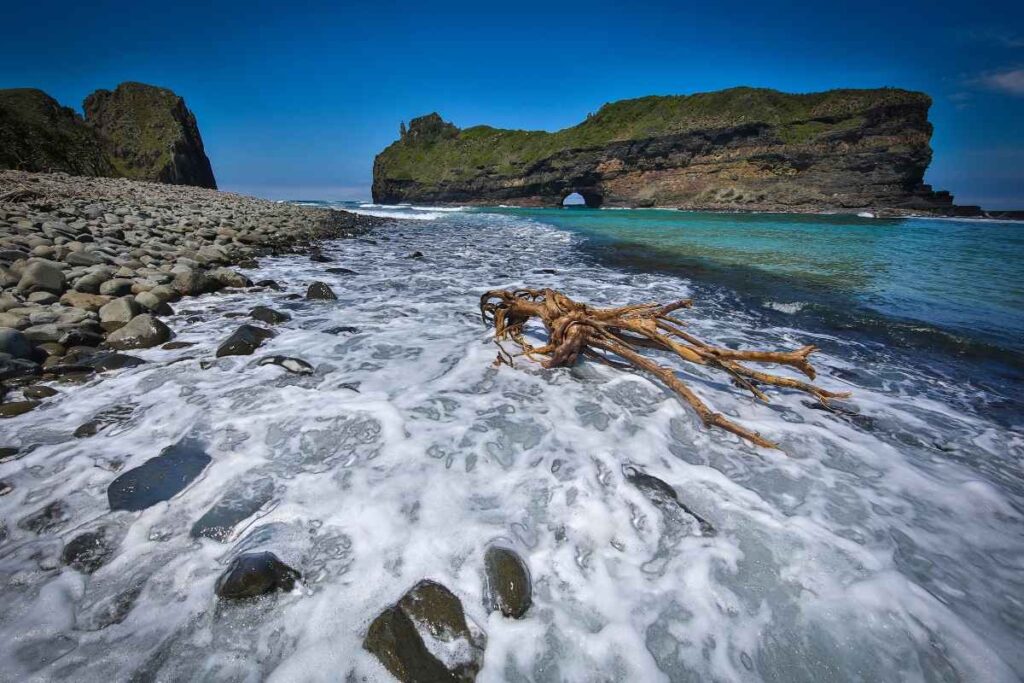
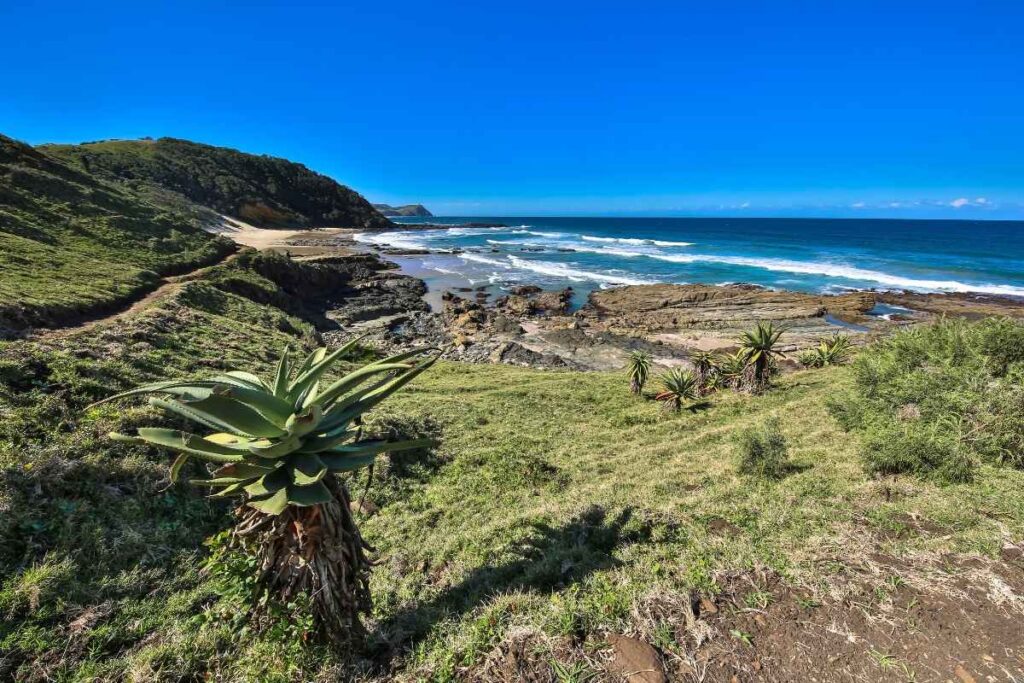
We spent a week exploring the beautiful Wild Coast of the Transkei for our honeymoon. I had arranged stays at Kob Inn, White Clay Inn at the famous Hole in the Wall, giving us the opportunity to experience this wonderfully unspoilt part of South Africa.
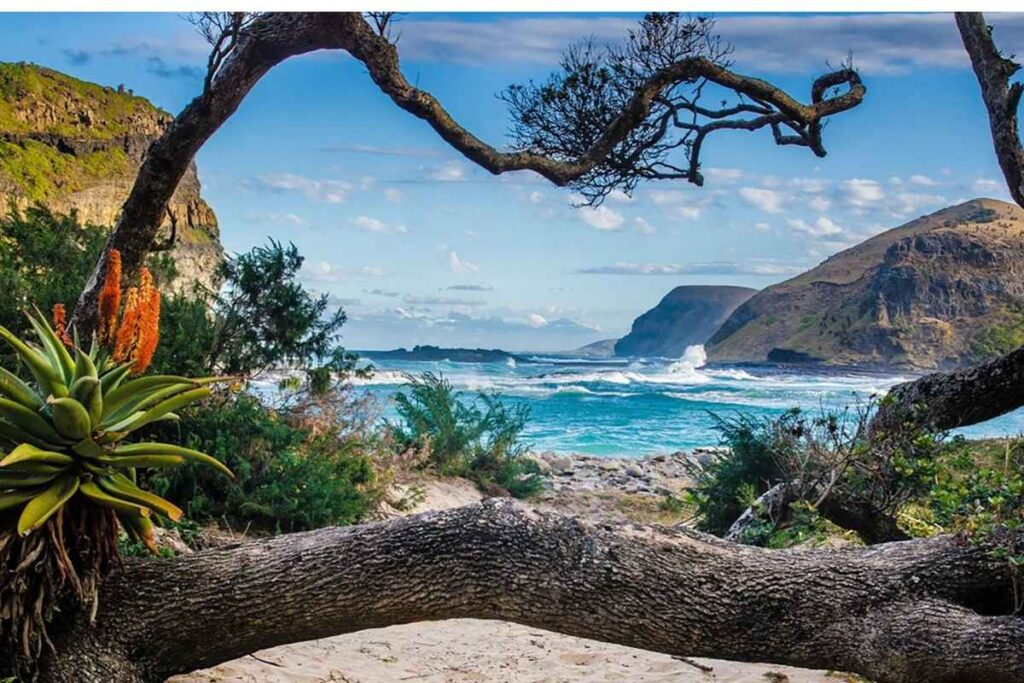
We spent much of our time hiking along deserted beaches and through lush coastal forests, constantly amazed by the diversity of the landscape. It was a world so different from anything we had experienced before. One of the more unusual sights was seeing cattle wandering freely along the beach. Something I had certainly never seen before!
But, as with many adventures, there were a few unexpected surprises along the way.
On one of our walks, we almost unknowingly stumbled across some marijuana plantations. Thankfully, a local resident riding past on his bicycle spotted us and quickly warned us to take another route. Apparently, continuing in that direction could have put us in the path of some rather unwelcome stray bullets! Needless to say, we took his advice!
Looking back, our honeymoon in the Transkei was filled with beautiful scenery, unexpected encounters, a little adventure and a few stories to tell. It was a wonderful introduction to the magic of South Africa’s Wild Coast, a place where nature, culture and everyday life come together in the most extraordinary way.
On our return journey to Johannesburg from Plettenberg Bay, we decided to take a detour and explore somewhere rather unusual in the arid heart of the Karoo , the little village of Nieu-Bethesda.
Tucked away in the vast Karoo landscape, this is one of those places you could easily drive straight past without ever knowing it existed. Unless you knew what you were looking for, you might miss the little sign off the main road near Middelburg.
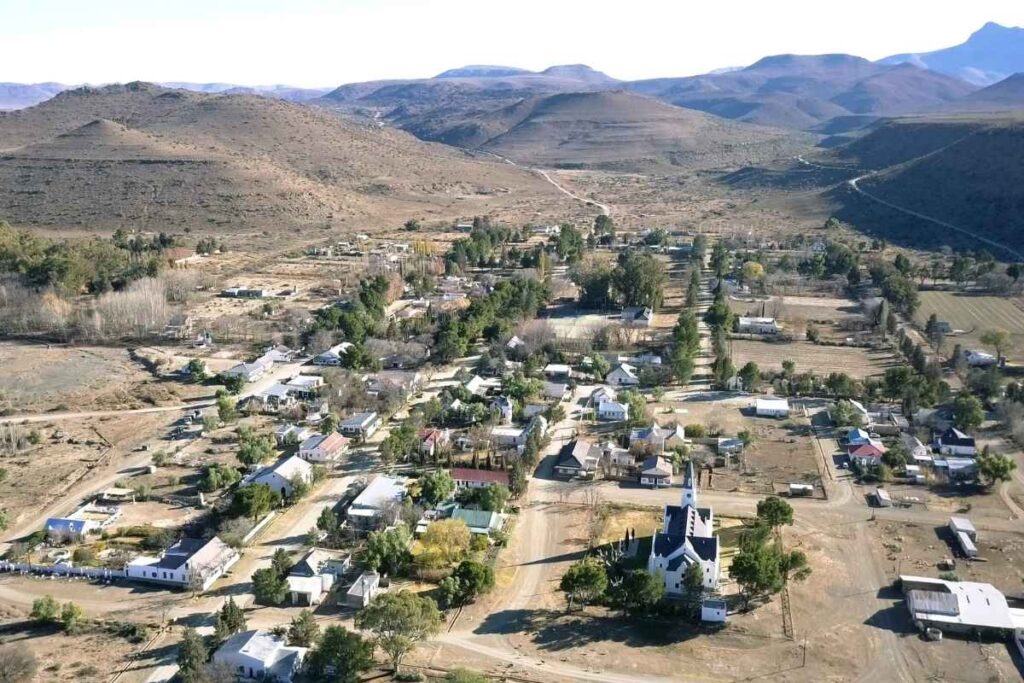
Our reason for visiting was to discover the intriguing and somewhat mysterious Owl House www.theowlhouse.co.za . The Owl House is an extraordinary museum and artistic creation, once the home of Helen Martins. Over many years, Helen transformed her modest home and surrounding garden into a remarkable visionary world, using ground glass to create shimmering, colourful interiors and more than 300 concrete sculptures.
Owls, camels, peacocks, pyramids and human figures fill the garden, each seemingly telling its own story. It is an unusual, almost surreal place, and quite unexpected in such a remote and dry part of South Africa.
What makes the experience even more fascinating is the story of Helen Martins herself and the extraordinary world she created.
It was one of those wonderfully unexpected detours that reminded us that travelling isn’t always about the famous destinations. Sometimes the most memorable discoveries are found in the little places you might otherwise drive straight past.
Most visitors travelling to South Africa are quite time-poor and understandably want to experience the country’s iconic highlights. Typically, this includes Cape Town, the Greater Kruger National Park and, if time permits, an extension to the magnificent Victoria Falls.
When I start planning an itinerary, I like to get a feel for what my clients enjoy beyond the usual landmarks. For example, I might ask whether they enjoy wine and would be interested in an outing to the beautiful Cape Winelands, or perhaps a historic food walking tour through Cape Town.
If they have an additional day in Johannesburg, I may suggest a visit to Soweto and the Apartheid Museum, offering a deeper insight into South Africa’s history, culture and people.
Of course, most clients come to me with a fairly clear idea of what they want to see and experience. My role isn’t to overcomplicate their journey or fill every available day. Instead, I like to introduce a few carefully selected additions based on their individual interests and preferences.
For me, it’s about finding the right balance between seeing South Africa’s famous highlights and discovering something a little more personal along the way. After all, no two travellers are the same, and their African journey shouldn’t be either.
Two Oceans, One Extraordinary Coastline
Did you know that South Africa’s Cape Peninsula is famous for the meeting of the Atlantic and Indian Oceans? Here’s the twist: the official meeting point of the two oceans is actually at Cape Agulhas, the southernmost tip of Africa — not Cape Point, as many people believe! Cape Point may steal the photographs, but Cape Agulhas holds the geographical bragging rights. It’s just one of those wonderfully surprising details that makes exploring South Africa so much fun. There’s always something new to discover, even in places you thought you knew!