My first trip was in the summer, my second in the winter. Each was different in many ways but equally special and memorable.
One of the key features of Botswana’s tourism policy is that it is ‘low volume – high value’. So, even though there are plenty of tourists visiting Botswana, there are not crowds of people everywhere. This means that travelers can experience the true Africa in all its wilderness, and at a leisurely pace.
And isn’t that part of the charm? Spend some time in the African bush with its incredible landscapes, with nothing but the sounds of nature surrounding you, as opposed to traffic, beeping, email notifications etc. Botswana offers an opportunity to spend some quality time in Africa’s wilderness and learn more about its traditions and people.
Botswana, with its high value for money, can be experienced in many ways.
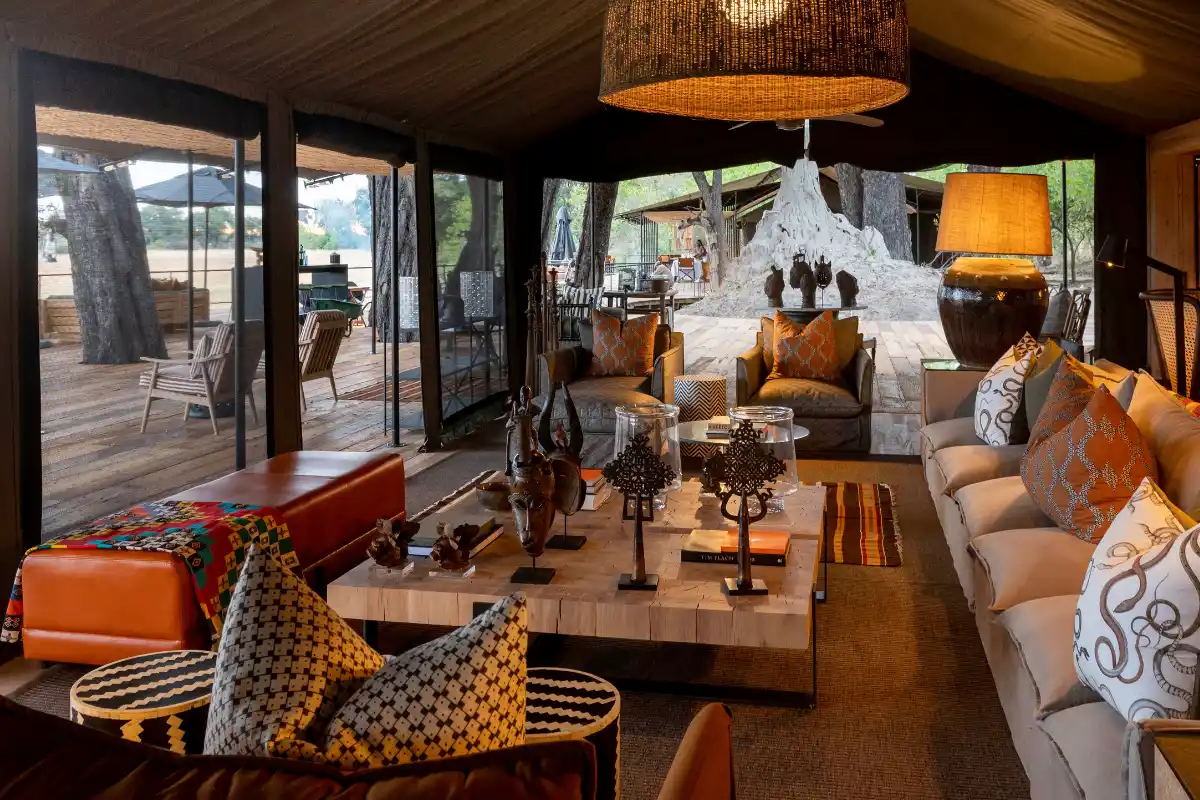
While some lodges are very luxurious and therefore rather expensive, there are many cheaper options, even on remote wilderness areas, such as campsites. These need to be booked in advance, however, and require some planning.
One of the aspects of Botswana that is most appealing is the emphasis on providing tourists with space and an intimate experience of the wilderness. Having travelled to other countries with national parks and experienced large, crowded campsites with numerous sightseeing vehicles, Botswana provides a much more peaceful experience of the wilderness.
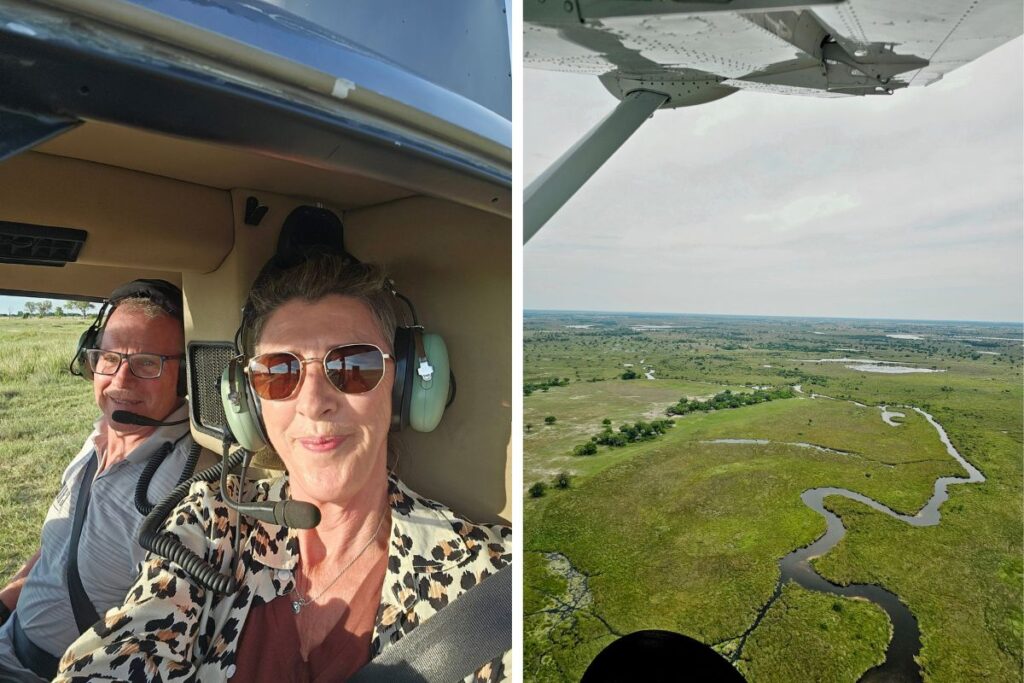
To some of the most remote places in the Okavango, like some of the remote lodges, you have to fly in with a small charter plane. It is an amazing experience flying over the channels, the islands and the vast areas of wilderness, giving you a completely different perspective of Botswana’s landscapes.
When Nature Becomes Part of Your Stay
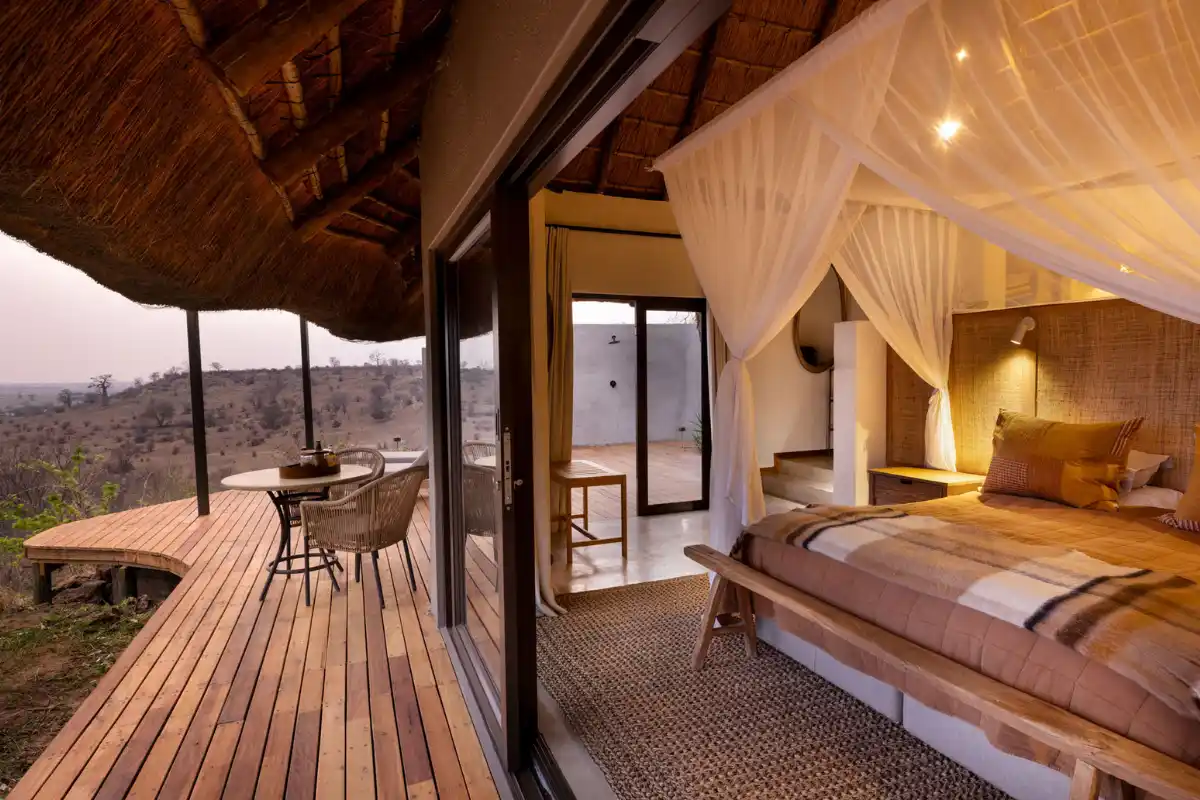
Many of the wilderness camps have very little boundary between the camp and the bush. This means that wildlife often moves through the camp during the day, which can make for some incredible encounters.
Of course, there is always the element of risk when you are in the wild and the animals have not read the guest information. It is, however, possible to minimize this by following the safety instructions given by the camp and by listening to your guides, the game rangers and the camp staff after dark.
I had several memorable encounters with wildlife during my visits to Botswana.
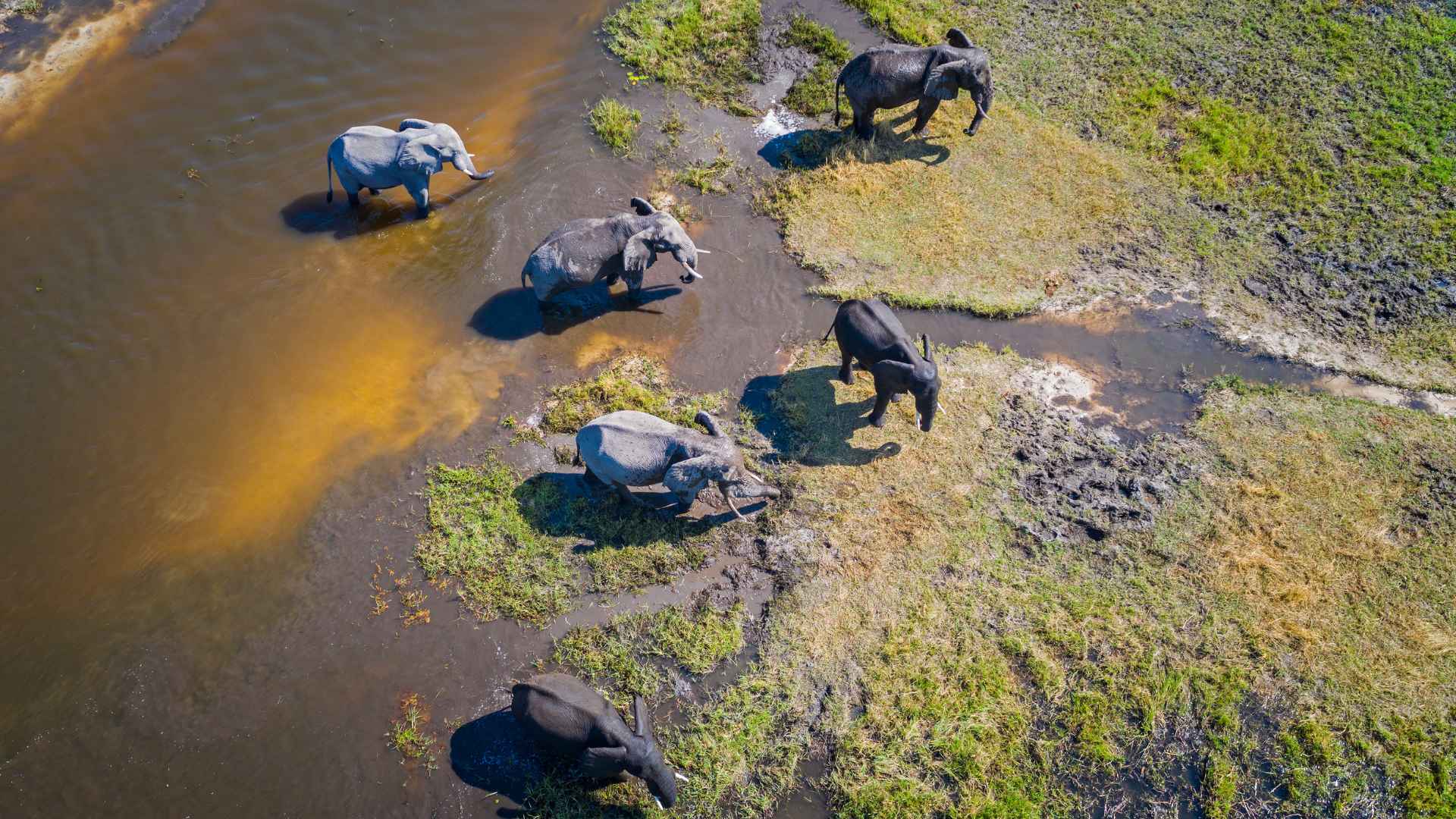
I was having an outdoor shower next to our chalet when I heard a low rumble not too far away. At first I thought it was a plane but as the rumble got closer I realized what it was. Within minutes I was frozen to the spot as a large African elephant ambled past the shower and disappeared into the bush.
The experience was amazing. I had no idea what to expect, but was surprised and humbled by the encounter. This is what makes traveling in the African wilderness so special, because there are so many moments that can’t be planned for.
A Country Of Remarkable Contrasts
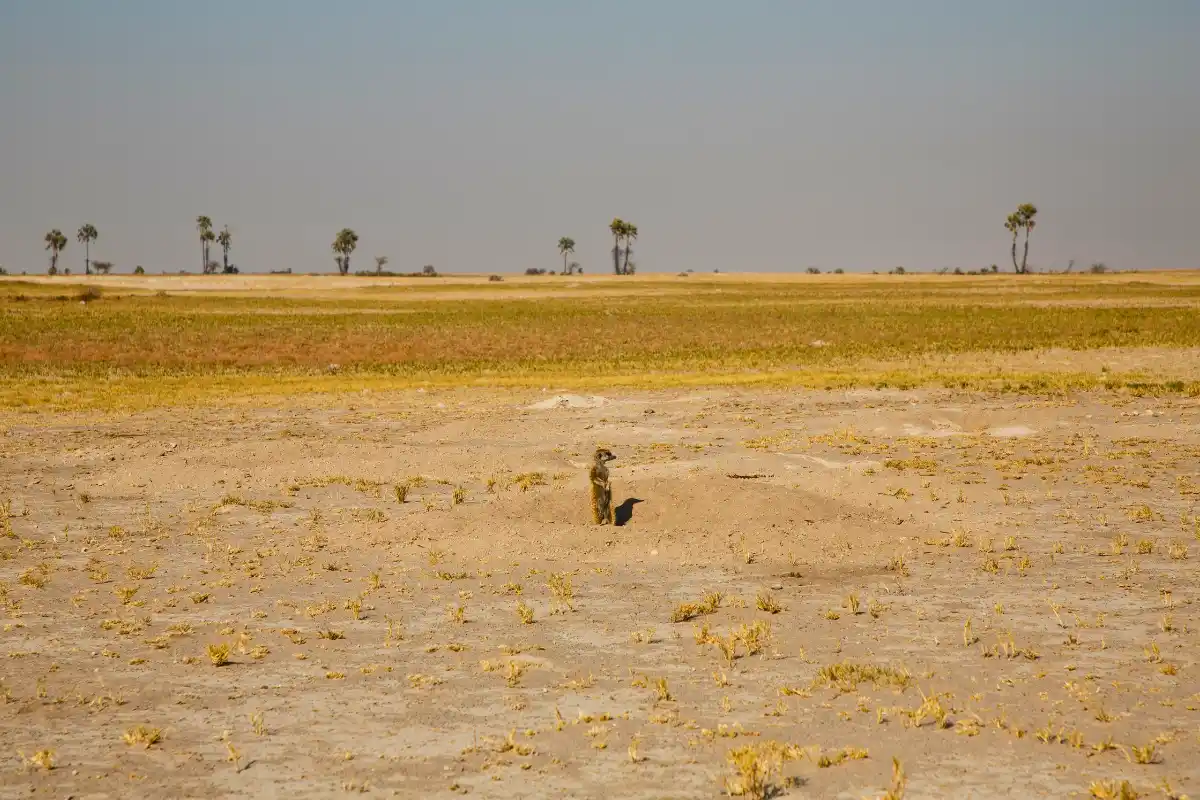
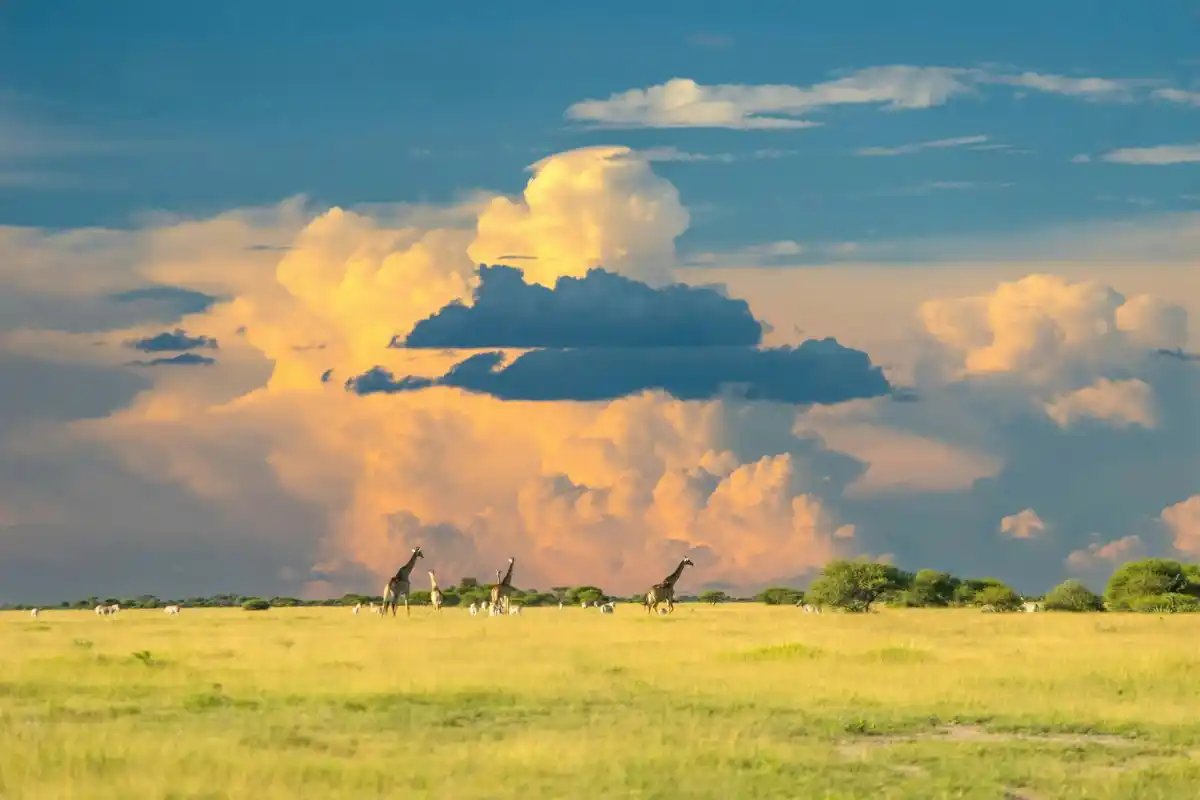
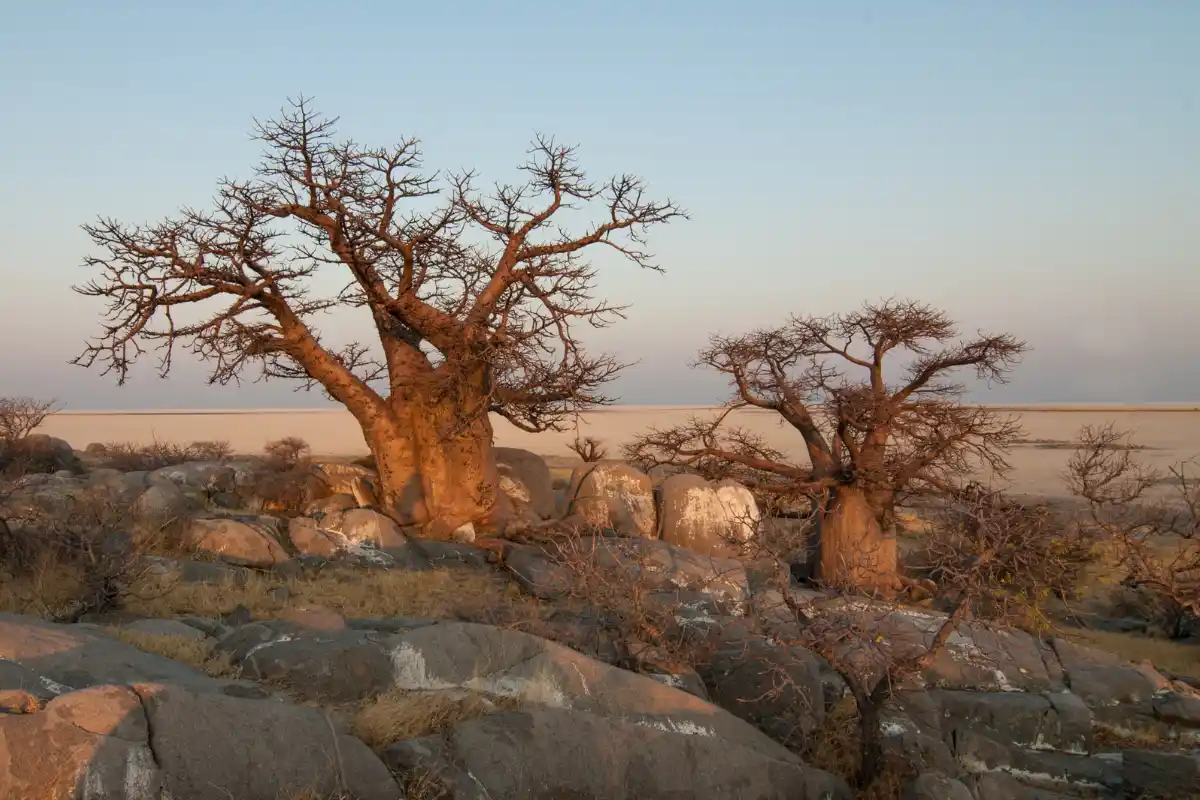
Botswana is a country of extraordinary contrasts. Its landscapes range from lush waterways and palm fringed islands to vast open grasslands, ancient baobabs and the dry, dramatic expanses of the Kalahari.
Each of these regions is quite unique and offer different types of experiences. The landscapes are as varied as the wildlife that inhabit them and many of the regions contain different species of animals, both big and small.
Botswana is also home to an abundance of wildlife, with its large elephant herds and powerful predators such as lions and leopards to name but a few. Of course there are also many smaller species of animals, birds and insects to be found and even the more ordinary creatures can be very fascinating when viewed up close.
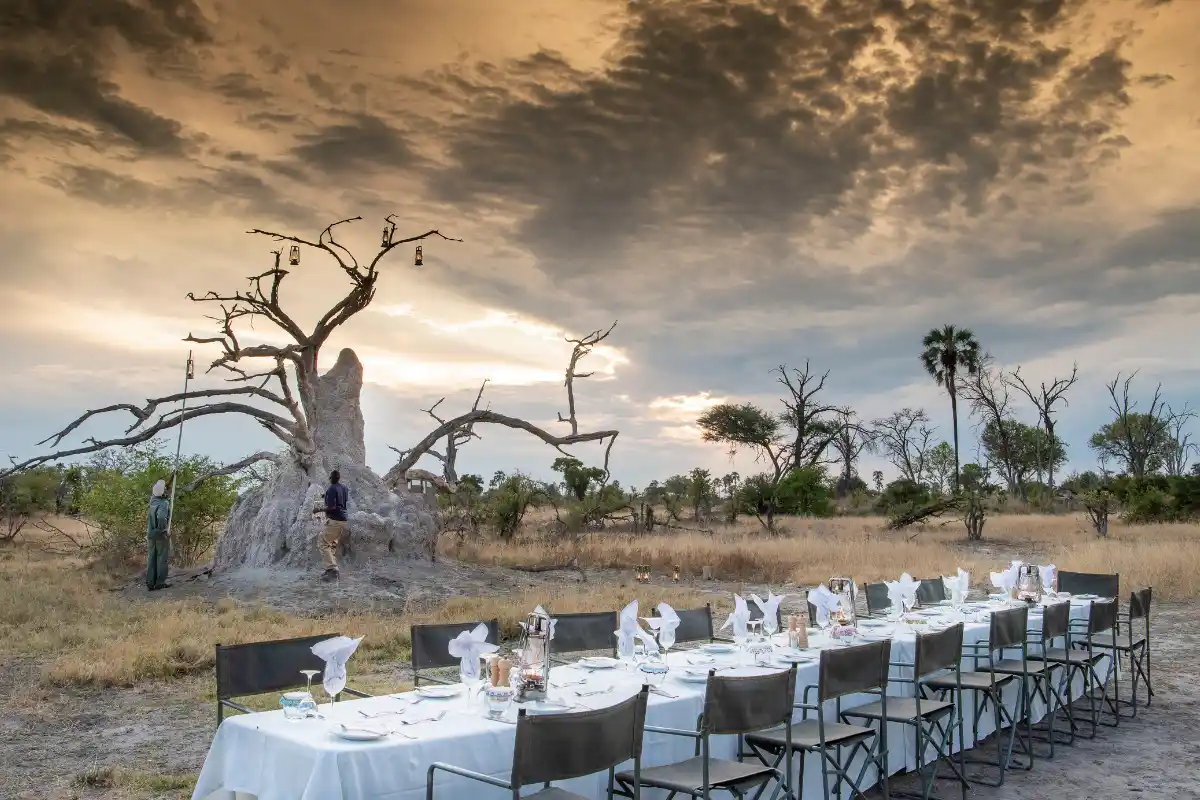
There is always something to do even on the quietest of days: watch the colors change in the sky at sunset; listen to the sounds of the bush at night; or just sit back and marvel at the vastness of the African landscape.
A trip to Botswana is not about rushing from one place to another. It is about taking the time to experience nature in all its glory and to experience the space and silence that is Botswana.
Botswana has many other attractions and experiences outside of the wilderness. There are opportunities to learn about local culture, meet the local people and gain more insight into this fascinating country with its many contradictions and its rich history.
Botswana offers many different kinds of trips and experiences, such as an intimate safari experience, photographic opportunities, family holidays and even a chance to escape from the world for a few days.
Again, you’ll have a hard time deciding which of these experiences you enjoyed the most!
A Few Interesting Botswana Facts
I am a fan of interesting facts and would like to share a few with you which can be used for interesting conversations at dinner, etc.
Here are a few interesting things worth knowing about Botswana.
- The world’s largest inland delta: The Okavango Delta, one of the world’s largest inland deltas, covers an area of some 15,000 square kilometers in the interior of Botswana, where the water flows from the Angolan highlands and then spreads out over the vast landscape of channels, lagoons and seasonal floodplains.
- An elephant stronghold: Botswana is home to one of Africa’s largest elephant populations, with particularly impressive concentrations in the north of the country. African elephants can live for around 60–70 years in the wild, sometimes longer.
- A vast salt-pan landscape: The Makgadikgadi Pans cover an enormous area of approximately 12,000 square kilometers. These striking white expanses are remnants of an ancient lake and are especially fascinating when seasonal rains transform the surrounding landscape.
- The pula, the currency of Botswana, is divided into 100 thebe. In the local language, pula means ‘rain’ and thebe ‘shield’. It seems most appropriate that a country in which rain is such a scarce commodity should have its currency named after it.
- A very short international border: Botswana and Zambia meet at a tiny stretch of territory near Kazungula. Today, travelers can cross between the two countries using the Kazungula Bridge, which spans the Zambezi River. It’s a remarkable piece of infrastructure in a region where four countries come close to meeting.
- A major diamond producer: Botswana is one of the world’s leading diamond-producing countries by value. Diamond revenues have played an important role in the country’s development, including investment in public services and education.
- Botswana’s first president, Sir Seretse Khama, married Ruth Williams, a British woman, at a time when their interracial relationship faced fierce opposition. Their story, set against the politics of the era and Botswana’s journey towards independence, is beautifully portrayed in the film A United Kingdom. If you enjoy films that bring history to life, this one is well worth watching.
When Is the Best Time to Visit Botswana?
This is always a good question and there is no simple answer as to when is the best time to visit Botswana as it depends on what you want to experience.
Botswana is a year-round destination but the seasons do affect what you can experience, the scenery you will see, the wildlife you will encounter and the activities you can experience.
The Dry Winter Months: May to September
The best time of the year to visit Botswana, especially if you’re looking to experience some of the world’s best wildlife viewing, is the dry winter months of May to September.
The days are hot and dry with clear blue skies, the nights can be very cold, especially in June and July. This is the time to pack a jacket for the early morning game drives.
Because water is often scarce in many places, the wildlife often congregates around the remaining water sources. Also, the vegetation is generally thinner in the winter, which allows for better visibility in the bush.
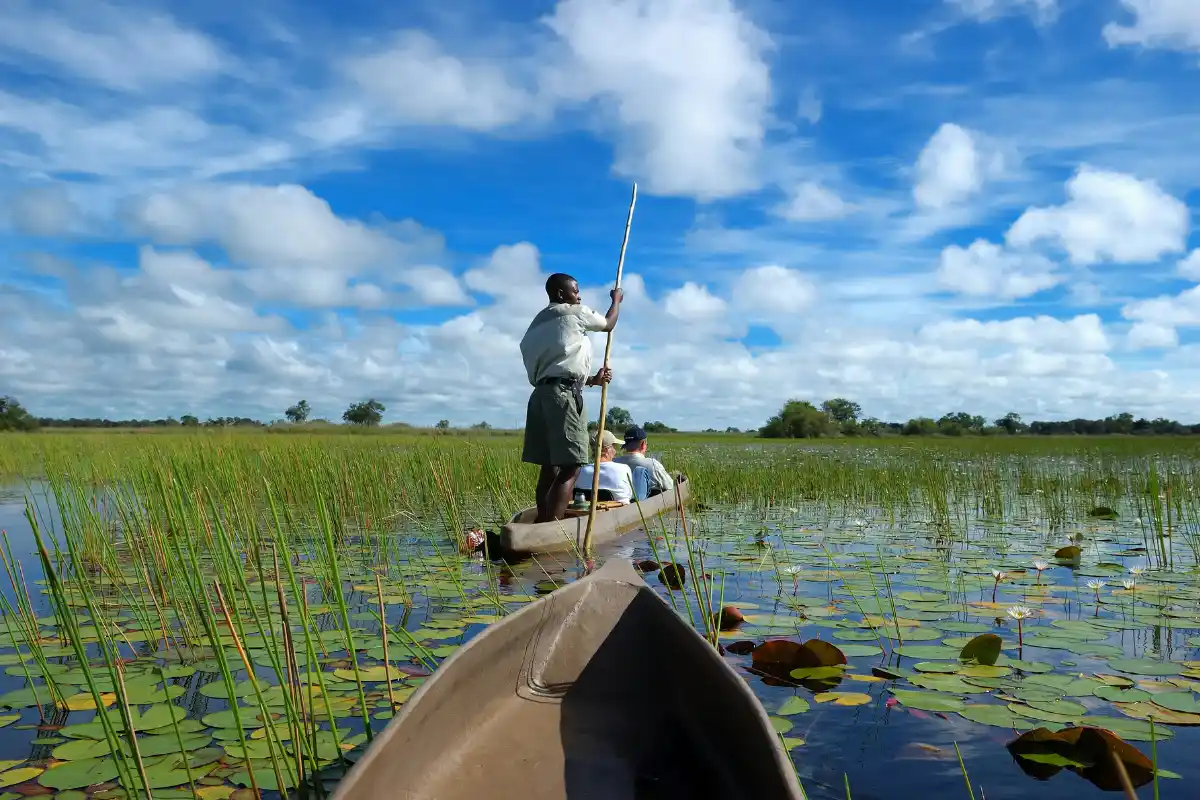
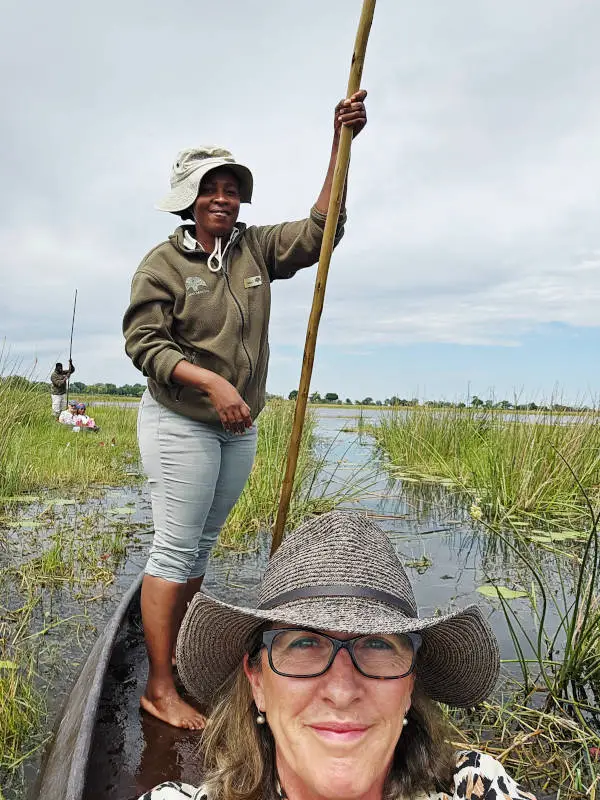
The Okavango Delta is especially interesting during this period. Floodwaters originating in the Angolan highlands travel south and typically reach the Delta during the dry season, with water levels often peaking between May and August. This creates wonderful opportunities for water-based activities, including traditional mokoro excursions where conditions permit.
I loved the idea of us gently floating down the narrow channels of the Delta’s reeds and water lilies, being propelled along by our guide on his mokoro, with no engine noise whatsoever and just us and our surrounding environment.
The Green Summer Months: October to April
The summer months can get very hot, particularly in October and November before the rains arrive.
The greening of the landscape is amazing and the vegetation is much more abundant. There are also many more afternoon thunderstorms that can create some of the most amazing sunsets and skies you will ever see.
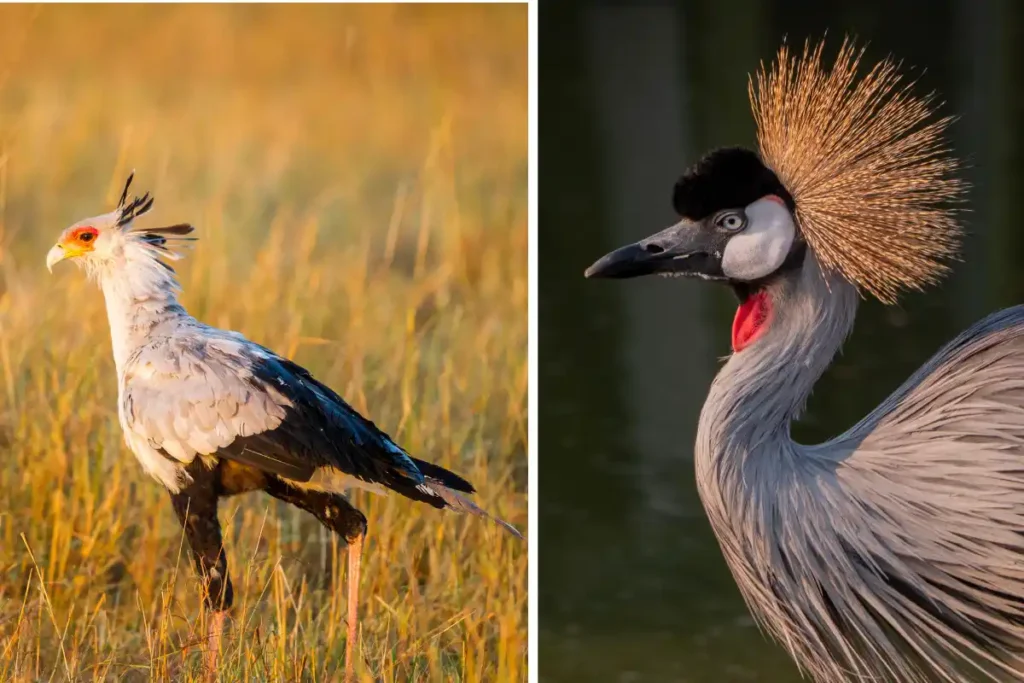
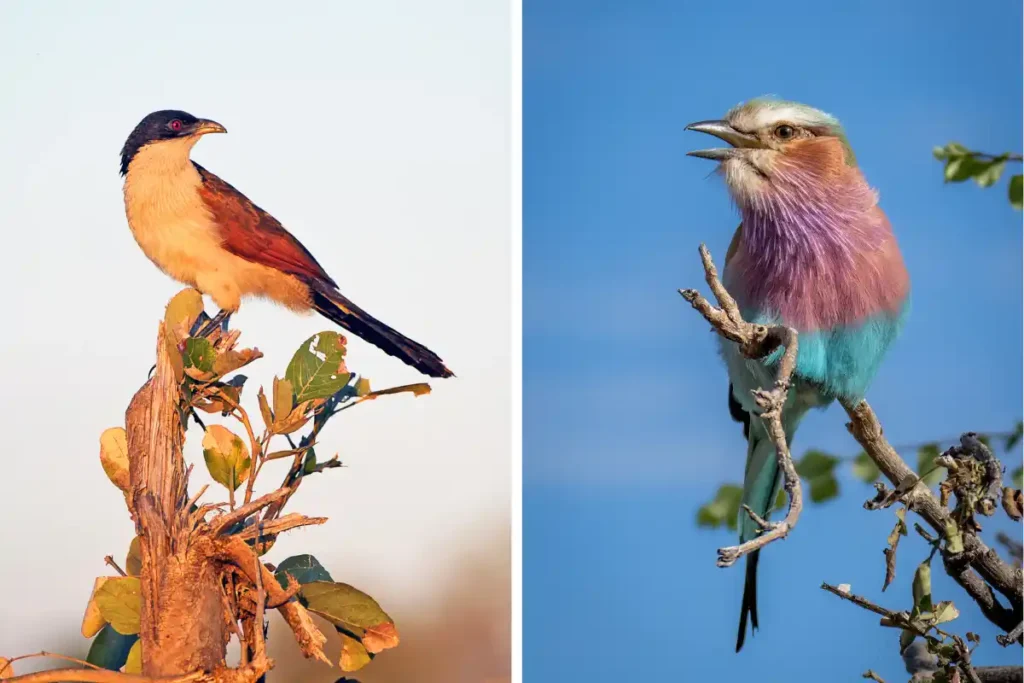
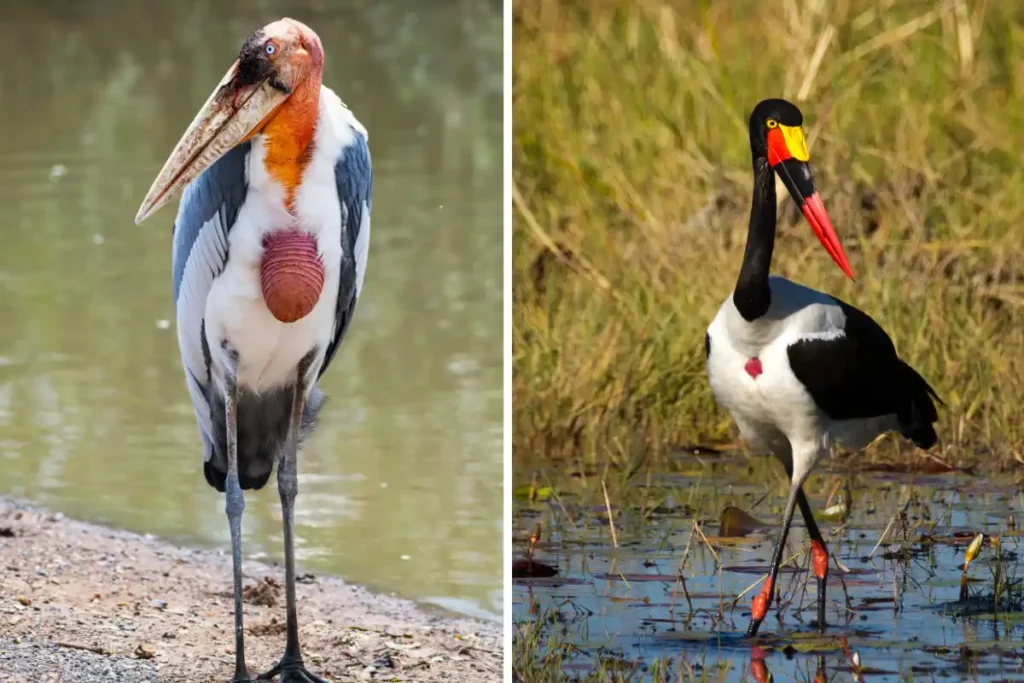
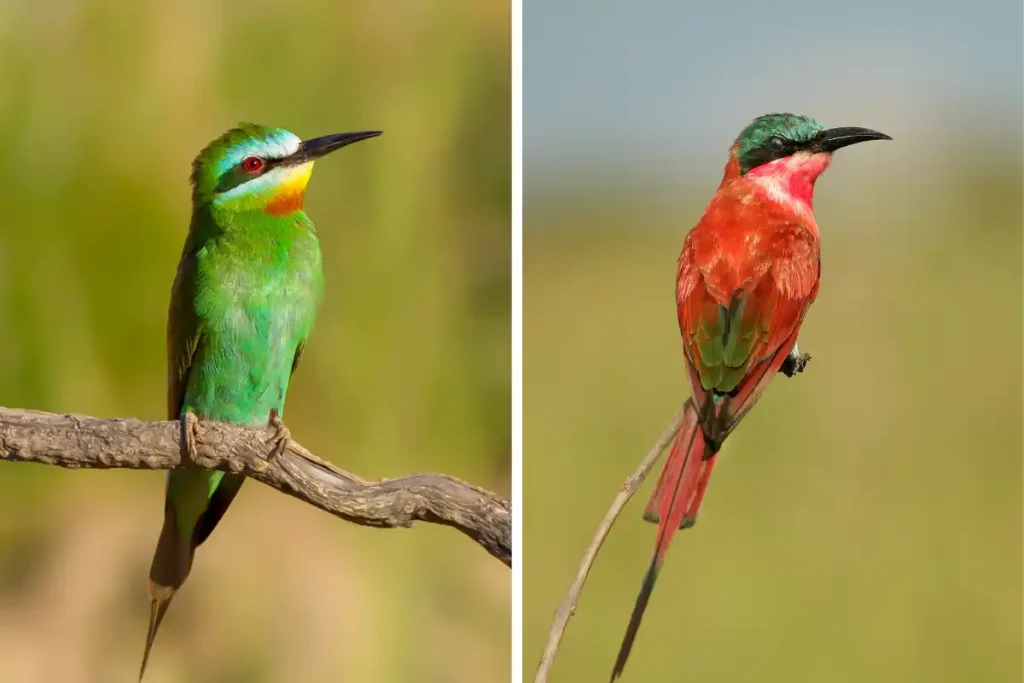
Many of the birds are migratory and come to the area to breed during the summer months. There is also a lot of activity in the bush and the greenery can make for some great photographs.
The rains will affect travel and some of the tracks will be muddy and difficult to travel on. The wildlife will be more dispersed as there will be water everywhere. In the Okavango Delta the local rainfall and the floodwaters coming from Angola will be at different times of the year and therefore water levels and activity on the water will vary throughout the year.
The summer months can also bring remarkable wildlife spectacles in certain regions, including seasonal gatherings of herbivores and, when conditions are right, large numbers of flamingos around the salt pans.
The summer months are ideal for visitors to Botswana who are looking for lush green scenery, dramatic skies, plenty of birdlife and a quieter, more relaxed safari experience.
So, Which Season Would I Choose?
The two seasons are so different that I would recommend both of them.
If your main priority is traditional game viewing, dry conditions and the chance to enjoy water-based activities in the Okavango Delta, the winter months are an excellent starting point.
If you are into photography, bird watching, green landscapes and the drama of the African summer storms then the warmer, wetter months of the year may be more to your liking.
Your travel style, budget and goals for your journey are more important than when others travel to Botswana. Choose the time of year that best suits your needs. And if Botswana has been calling your name, perhaps it’s time to answer it. Pack your sense of adventure, leave room for the unexpected and never underestimate the possibility of an elephant making an appearance when you least expect it!